“What if we knew exactly when we would pass from this earth?”: Living with a rare and incurable cancer, he cherishes the grace of not knowing
Damein Cheong // June 24, 2026, 10:30 am
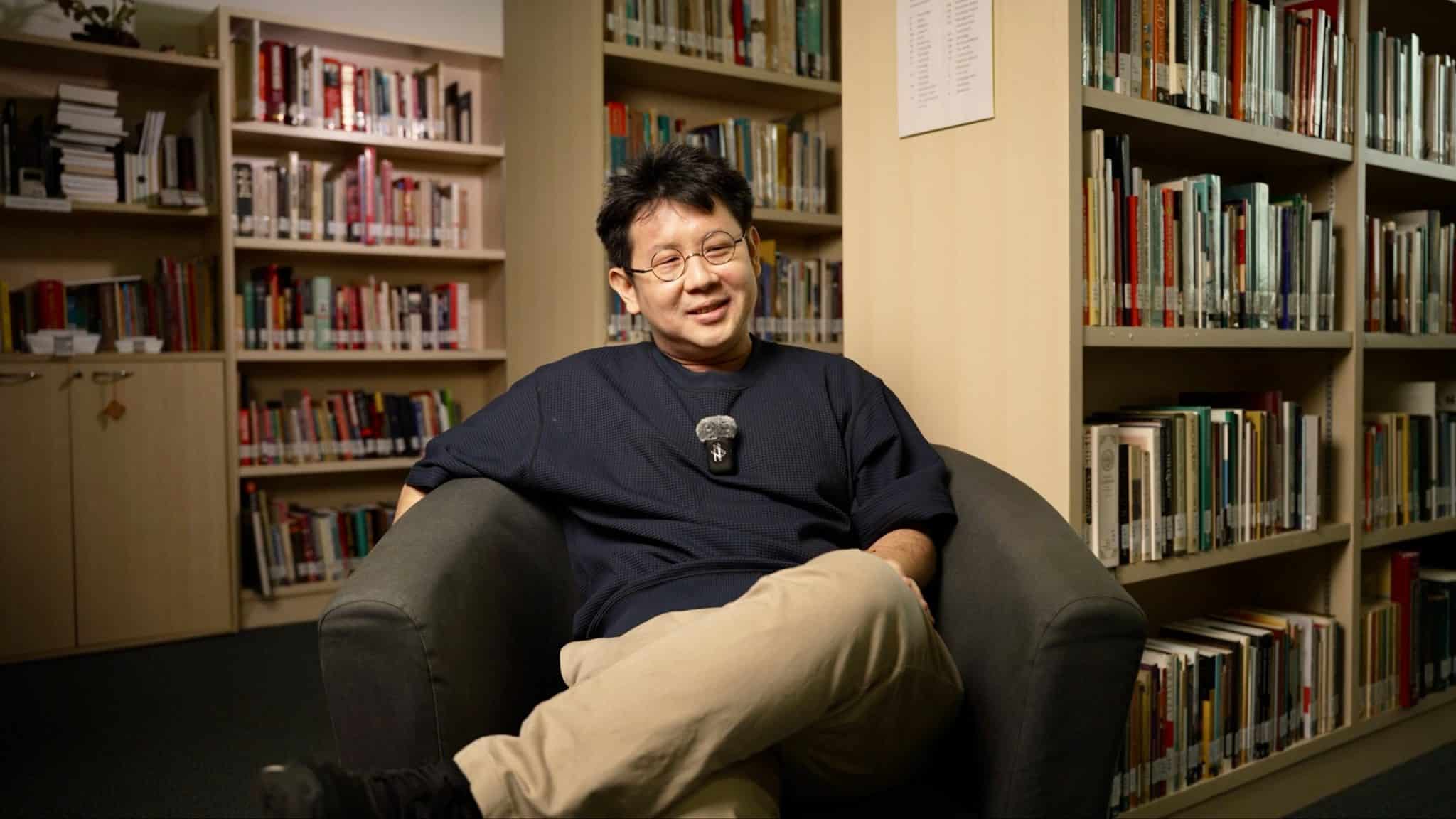
Diagnosed with a rare cancer in February 2022, the author reflects on outliving the initial prognosis of six to 14 months. Photos courtesy of Damein Cheong.
It’s June 2026. A quiet day, and perhaps ordinary date on the calendar for most people, but a loud one in my heart.
Fourteen months, give or take, was the window I had been told to expect to live when I was diagnosed with Stage 4 bile duct cancer, a rare type of cancer with no known cure.
Somehow, through God’s miraculous intervention, I’ve lived past it. It’s been 52 months. I’m still here. Still breathing and sometimes going: “Aiya, not again … I’ve got to start a new laundry load already?”
That alone feels like a miracle.
I’ll choose doing laundry any day over going for chemotherapy.
But I don’t often talk about what it means to live past the line. Not out of denial, but because it is hard to explain the quiet tension of this space.
Things have stabilised. Yes, but that doesn’t mean I’m completely healed. While I’m not dying in a hospital, I’m also not exactly out climbing mountains either.
The grace of not knowing
Life, these days, still feels like a balancing act on a tightrope: Enough to hold me up, but never quite enough to let me forget.
From the outside, I suppose things look fine. I laugh. I write. I go to work amid my weekly schedule of balancing seeing the doctor and undergoing chemotherapy. I’m still thankful that I can serve the Lord in meaningful ways one day a week in IT admin.
But underneath all that movement is a weight I don’t always show. I don’t feel the need to explain it, but I shoulder it regardless. Quietly and steadily. Some days, a little more heavily than others.

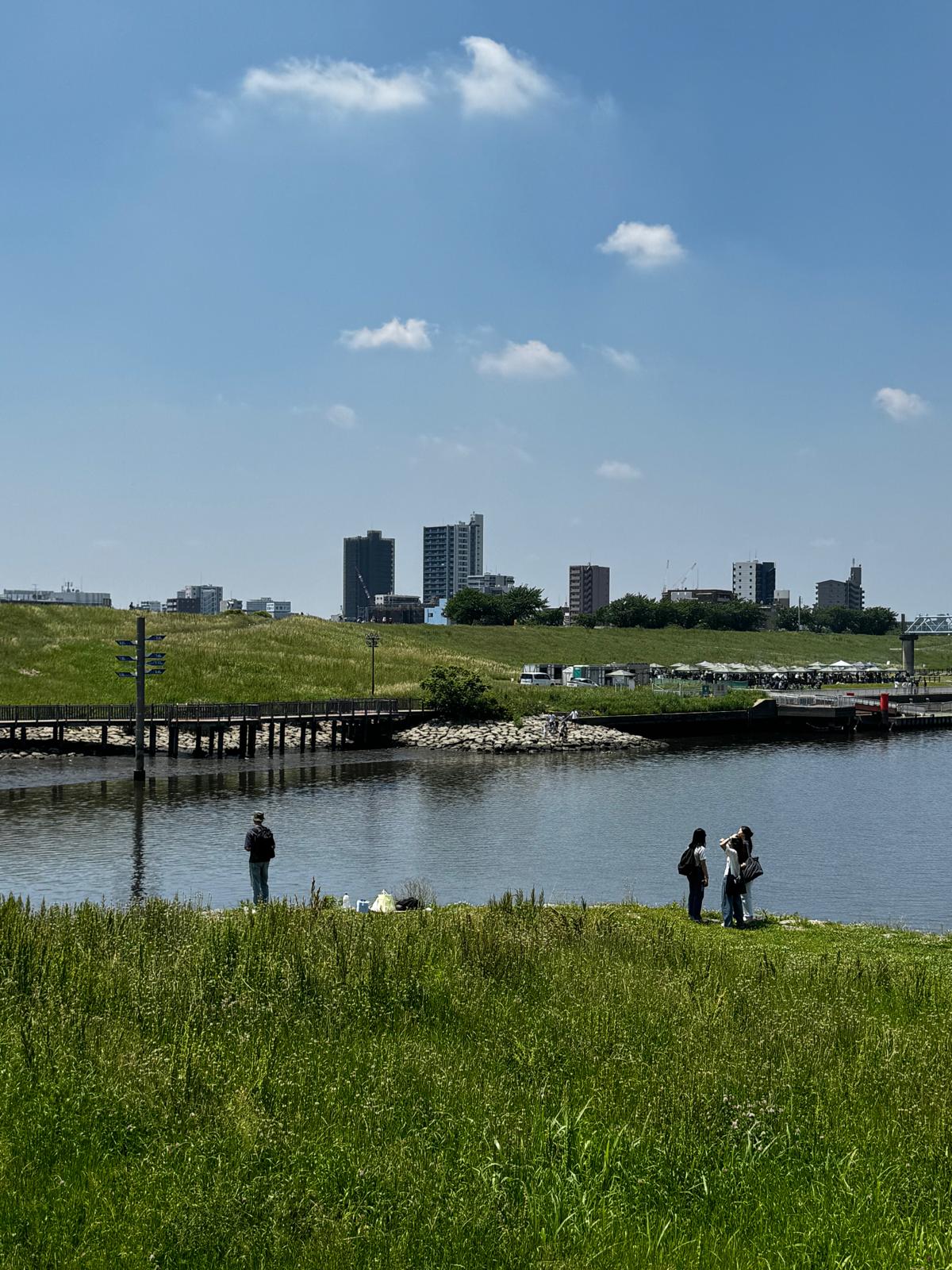
Photo taken during the author’s ministry trip to Japan in June.
In moments of reflection, I’ve often wondered: What if we actually knew the exact day and time we would pass from this earth? Would that change how we live?
At first, I thought perhaps it might bring radical change. Maybe it would sharpen our focus, help us prioritise what truly matters. But the more I sat with that question, the more I began to see the mercy in not knowing.
Peace doesn’t come from being ignorant. It isn’t rooted in radical acceptance, but rather, in dependence on a loving God.
In all honesty, do I really want to know? If I knew the precise date of my death, I think I’d live in fear. I might stop hoping and hesitate to say “yes” to things that God is calling me to.
Or worse, I might despair and slip into nihilism, echoing the words in Ecclesiastes 1:2: “Meaningless! Everything is meaningless.” What’s the point of building, planting and striving if it is all going to end anyway?
Perhaps there really is some truth in the phrase “ignorance is bliss”. Not the kind of ignorance that comes from denial, but the kind that leaves space for grace. The kind of unknowing that allows us to keep walking without fear paralysing our every step.
I’ve come to realise something even deeper: When God withholds things such as details, timelines and answers – it’s not because He doesn’t love us.
It’s quite the opposite.
In this case, more than anything else, I believe He does it out of mercy. Not knowing spared me the weight of constantly watching the clock. It was actually liberating for me and, paradoxically, that motivated me to live day by day.
Leaning on our Parent’s chest
There’s a popular internet quote that goes like this: “If you are depressed, you are living in the past. If you are anxious, you are living in the future. If you are at peace, you are living in the present.”
While this might be somewhat of an oversimplification, it bears a kernel of truth.
I’ve learnt that peace doesn’t come from being ignorant. It isn’t rooted in radical acceptance, but rather, in dependence on a loving God.
The Lord invites us not to shoulder the burden of our fears alone. “Cast all your anxiety on Him because He cares for you” (1 Peter 5:7). He draws us near to Him.
Like a child leaning on a parent’s chest, we are held in the safety of His embrace. While we might not know what the future holds, God certainly does.
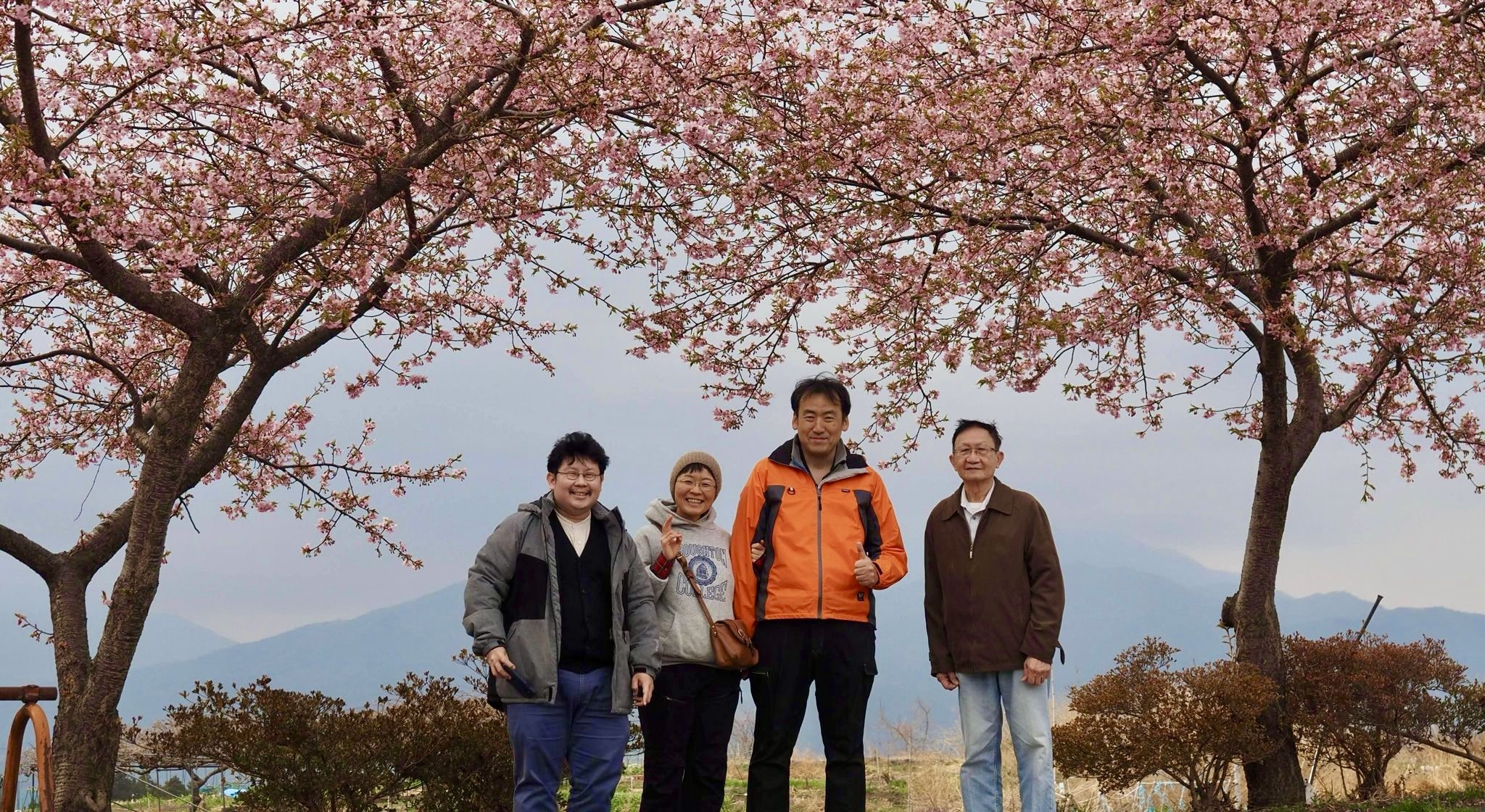
God answered his prayer for extra time on earth, and Damein’s own father’s prayer to get to know his son. Father and son (right and left) are pictured on a trip to Japan in 2025.
Scripture, too, calls us to live in the present. Jesus said: “Therefore do not worry about tomorrow, for tomorrow will worry about itself. Each day has enough trouble of its own” (Matthew 6:34).
That’s not avoidance, but alignment: A daily walk of trust, one uncertain step at a time, into the mercy of an all-knowing God.
The date, the hour, the countdown – such knowledge is too great a burden for the human soul. This revelation may actually lead to bondage, not freedom. It is a weight our hearts were never meant to carry. And maybe that’s why God, in His lovingkindness, keeps it from us.
Not knowing isn’t a punishment; it is His protection and mercy. A strange grace that allows us to live, not in denial, but in trusting Him.
A desire to not just live, but thrive
Slowly but surely, something shifted in me.
I didn’t just wake up suddenly one day feeling hopeful again.
It came slowly, almost subtly. At first, I lived one day at a time. That was all I could handle. Then two. Then a week.
Before long, I found myself planning two weeks ahead, then a month ahead: A small Christmas gathering, and, in my typical fashion of insanity, the launch and publication of my second book, Fuelled By Hope.
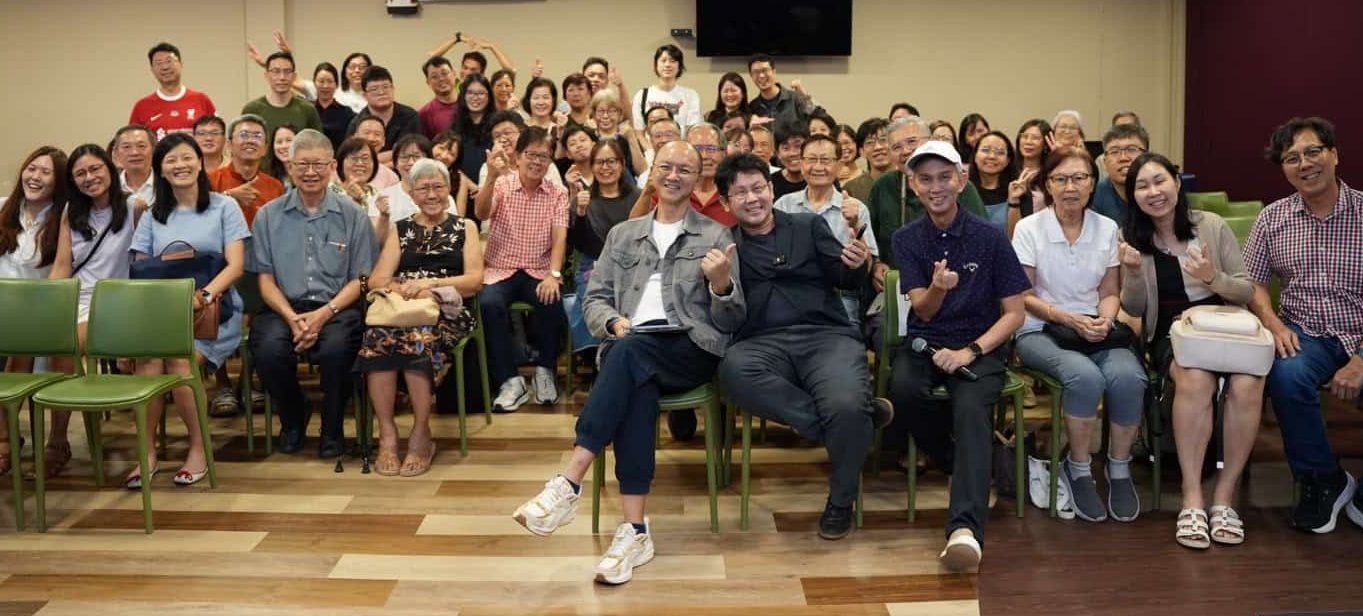
The author (front row, fifth from right) with well-wishers at the launch of his second book in April.
Hope didn’t arrive with a big bang. It tiptoed in slowly, gently displacing the fear.
What began merely as survival quietly transformed into something else: A desire to thrive, not just live.
I started paying attention to light and making space for joy again.
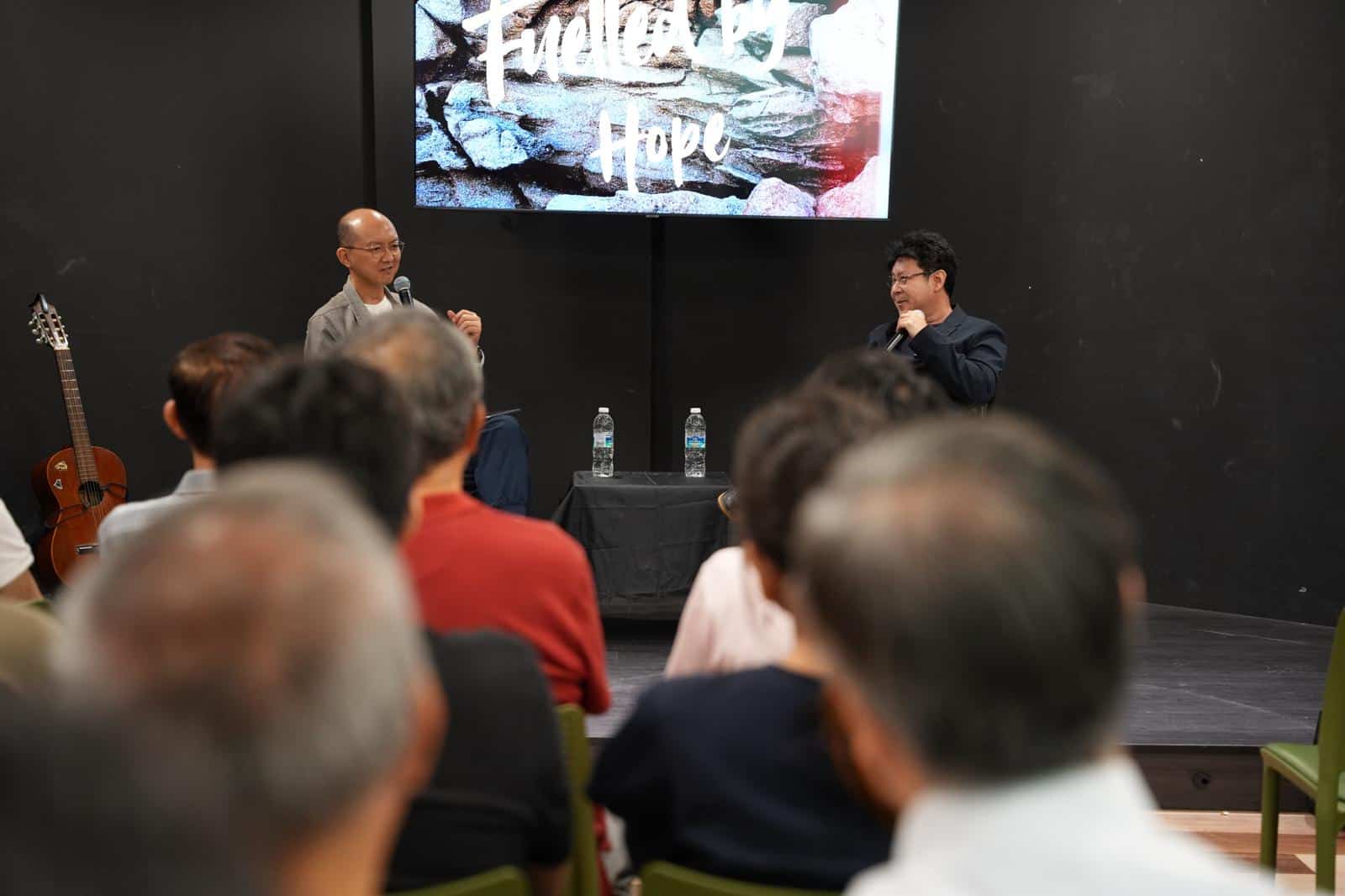
The author (right) answering questions at his book launch.
The book of Ecclesiastes wisely concludes with this: “And further, my son, be admonished by these. Of making many books there is no end, and much study is wearisome to the flesh. Let us hear the conclusion of the whole matter: Fear God and keep His commandments, for this is man’s all. For God will bring every work into judgment, including every secret thing, whether good or evil” (Ecclesiastes 12:11-14).
I do not know how many more Junes I’ll see, but I do know this – the One who gave me my first breath is the same One who will write my final word. And until that day comes, I will keep walking this sacred middle ground, gratefully praising Him while hoping faithfully in light of His eternity.
As someone prone to overthinking – yes, I’m looking at myself – Ecclesiastes reminds me that endless pondering does not lead to peace.
But the conclusion of the matter is this: To fear God and keep His commandments.
So, like the Psalmist, I am learning to number my days, not to dread the end, but to treasure the gift of the present.
It is not guaranteed nor owed, but given mercifully and miraculously by the One who formed us in our mother’s womb and who calls us by name.
This reflection is adapted from Damein’s second book, Fuelled by Hope, available at Faithworks.sg.
RELATED STORIES:
I was given 6 months to live. That was more than 3 years ago
In the midst of Stage 4 cancer, he was miraculously healed of a lifelong skin condition
This year, as we celebrate 10 years, consider sowing into our Kingdom ministry! For S$10 a month, you become part of the #10for10 community and a part of every story we tell.
Partner with us
previous
Grow
"From working for a living, to working with a calling": Banking and finance professionals find community and purpose through G.R.O.W marketplace groups
Related Articles

“The 3 things that matter most at the close of life”: Gerontology pioneer Dr Helen Ko, diagnosed with Stage 4 high grade cancer

Faced with his son’s late stage cancer diagnosis, this “absent and silent daddy” said ‘I love you’ to his child for the first time, and everything changed

This yakuza cut off his left pinkie – in exchange for the freedom to follow Jesus
