The preschool God preserved: How Singapore’s oldest preschool has endured for more than a century
This article was published in partnership with the Christian Preschool Alliance.
Cherie Sim // July 8, 2026, 10:48 am
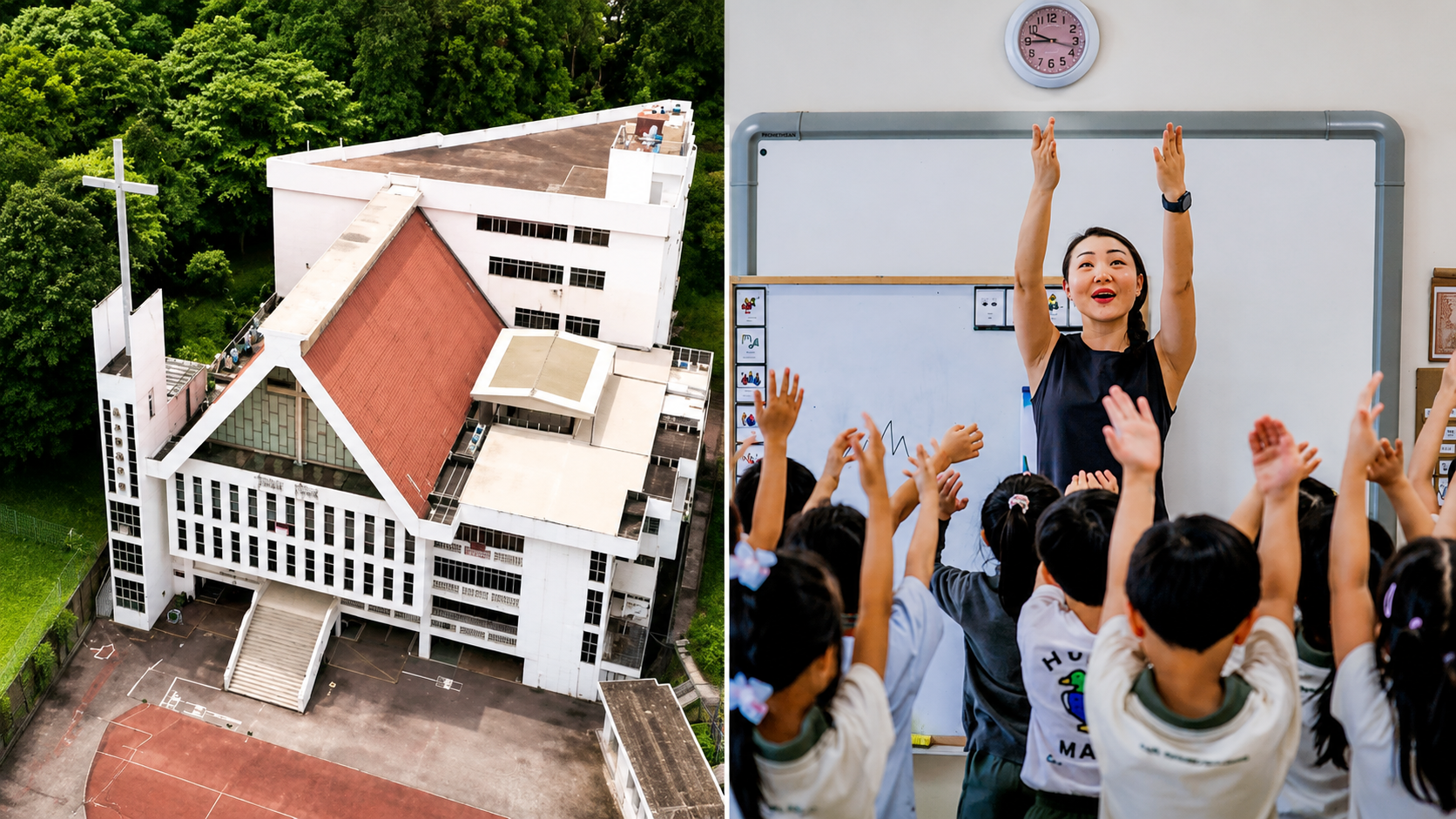
As Singapore's oldest preschool, Chinese Kindergarten's story is about more than preserving a historic school. It is about generations of people who faithfully watered a seed planted in faith, believing it to be a channel of God's love to children, families and the wider community. All photos courtesy of Chinese Kindergarten unless otherwise stated.
In a city where buildings disappear, schools merge, neighbourhoods change and educational trends come and go, The Chinese Kindergarten Preschool has remained atop a gentle hill along Outram Road.
It has not remained unchanged, nor has it always stood here. Since its founding, it has changed addresses, lost buildings, adapted programmes, weathered war, shifted with policy changes, survived enrolment pressures and entered multiple new seasons of leadership.
Founded on October 11, 1921, The Chinese Kindergarten is known as Singapore’s first kindergarten. More than a century later, its story is not merely one of historical significance, but of a mission that God has kept through generations.
The planting of a seed
The story of The Chinese Kindergarten began with a burden.
In the early 1920s, Xu Dongfan, a Christian teacher from Hubei, China, noticed a gap in Singapore’s education landscape.
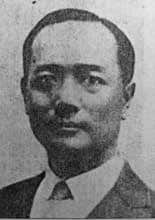
A portrait of Xu Dongfan.
While much attention was given to primary education, there was little emphasis on preschool education. He believed children could be given a stronger foundation if they were nurtured earlier.
That conviction found support among church leaders and members of the Chinese Christian community. Together, they raised funds, found a site and began what would become The Chinese Kindergarten.
It was a modest beginning. The school started in a one-storey building near Tanjong Pagar Church, the predecessor of Jubilee Church.
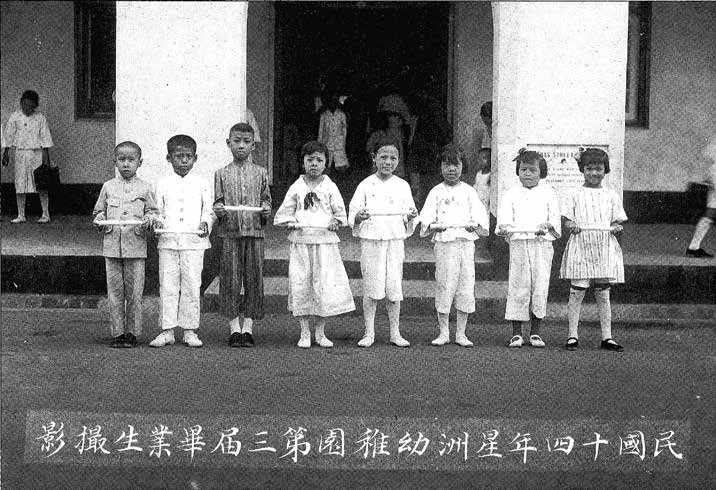
The original caption of the photo reads: Photograph of the third batch of graduating students from The Chinese Kindergarten, circa 1925.
But the vision was larger than the space. The founders were not merely starting a school. They were responding to a need, serving children, families and the wider community through education.
In the language of Scripture, they planted (1 Corinthians 3:6-7). And over the next century, many others would water.

Revived after war
As enrolment grew, the kindergarten quickly outgrew its first premises.
In 1925, it relocated to a new site, a three-storey building on Tras Street, funded jointly by donors, church networks and the colonial government. By then, enrolment had grown to more than 500 children.
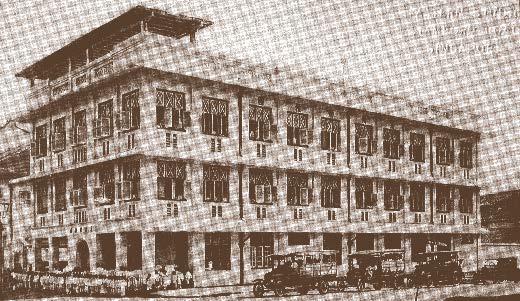
The new school building of The Chinese Kindergarten on 32 Tras Street.
Two years later, it added a primary section so children could continue their education within the same institution.
The Chinese Kindergarten was also reportedly the first school in Singapore to provide school bus transport for students across the island, so children could come to school safely.
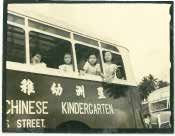
The Chinese Kindergarten school bus bringing students to school.
Then came the war.
When Singapore fell to the Japanese in 1942, schools across the island, including The Chinese Kindergarten, closed. For many schools, the interruption marked the end. But God preserved The Chinese Kindergarten.
After the war, the kindergarten resumed operations with more children than ever. As Singapore’s post-war baby boom drove enrolment, it operated morning and afternoon sessions to accommodate more than 1,600 students.
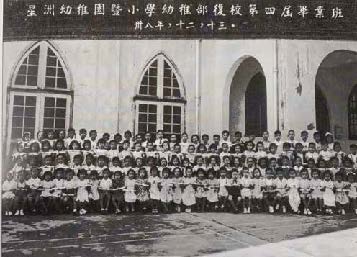
Graduating students of The Chinese Kindergarten (both primary and kindergarten sections) in December 1949.
In 1946, it also opened a preschool at Jubilee Church on Outram Road. Together, the two schools served more than 2,000 children, making The Chinese Kindergarten one of the largest and most established schools in Singapore at the time.
Preserved through loss
While the school experienced periods of significant growth, it also endured seasons of loss.
By the 1970s, as English-medium education became parents’ preferred choice, many Chinese schools saw falling enrolment. The Chinese Kindergarten was not spared, and its primary section closed in 1978.
Then came another blow.
In 1991, after 70 years on Tras Street, The Chinese Kindergarten was forced to relocate to Jubilee Church’s current premises on Outram Road, after their historic site was acquired for redevelopment.
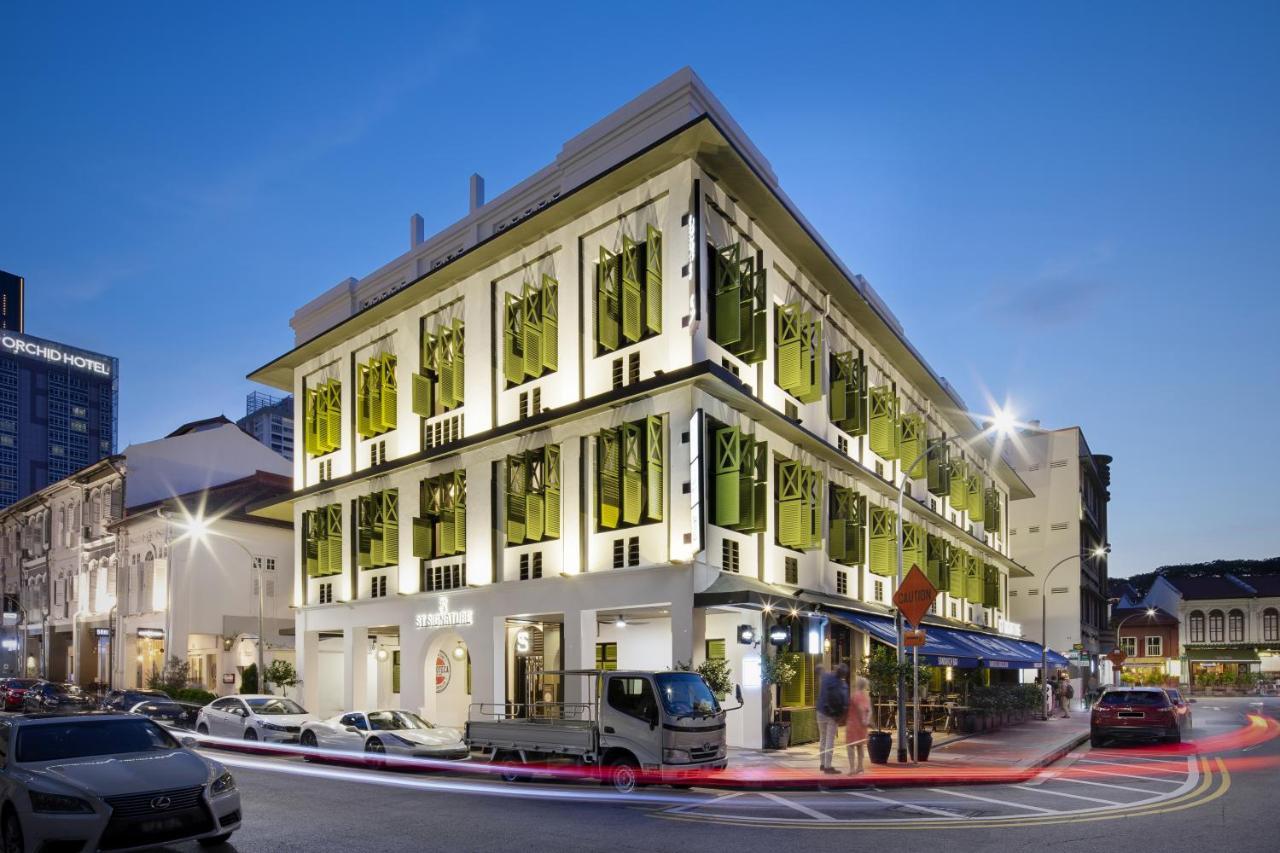
The corner of 32 Tras Street, where The Chinese Kindergarten used to be, is now a hotel. Photo from www.best-singapore-hotels.com.
Despite losing much of its physical heritage, its education mission continued – in different forms, but with the same calling.
Elder Jonathan Lee, who was Chairman of the school’s board for 15 years, described that calling as far more than institutional survival.
Success was, and is, not simply about enrolment numbers or financial profit. The deeper test was whether children grew up knowing God’s Word. The heart of the work was always the Gospel.
Unless God says stop, he said, the work should continue. But why?
More than a piece of history
For Yeo Dai Yun, the current board Chair, preservation for its own sake is the wrong reason to keep going. “If there is no distinctly faith-shaped difference, there is no reason to continue,” she said.
The task is not to preserve a brand, a name, or even a beloved institution at all costs. Neither is it to simply replicate what private or secular preschools offer.
The Chinese Kindergarten’s calling must shape not only what children are taught, but how teachers are cared for, how families are served, and how the school walks through transitions.
To preserve the school, then, is to preserve a window through which the Church can love families, serve the neighbourhood and bear witness to God’s heart for children, said Dai Yun.
For Katherine Seow, who was the kindergarten’s Principal from 2019 to 2024, this means helping children grow in truth, love and courage. In a world of competing voices, children need to learn not only what is true and right, but also how to live out those convictions with Christ-like love, kindness and grace.
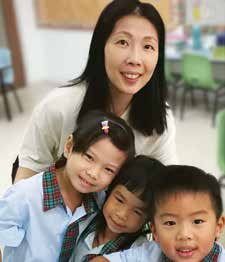
Katherine Seow, The Chinese Kindergarten’s 13th principal.
Rev Wong Siow Hwee, the previous Senior Minister of Jubilee Church, added that in a meritocratic society where children are often measured by achievement, Christian education offers a different way of seeing the child: Not first by merit, but as one made and loved by God.
For Rev Wong, evangelism may be a fruit of the work, but it is not the only reason the school exists. The deeper conviction is that this is God’s world, and good education helps children see the beauty of the world and of life.
Saying “yes”
Through the years, the school was preserved because of the multitude of people who were willing to keep on watering the seed that was planted.
Former Principal Wong-Thng Lay Choo, who led the school from 2004 to 2019, never set out to lead it. While overseas on a teacher-training practicum, she cut short her trip to return for her predecessor’s funeral. At the memorial service, the then-Chairman unexpectedly handed her the keys to the school and asked her to take over as Principal.
She stepped into leadership because, as she put it, “someone just had to do the job”. And she did it faithfully, making sure to demonstrate her faith not only in formal teaching, but in the way she led, cared and made decisions.
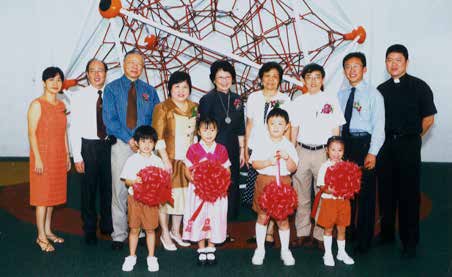
Wong-Thng Lay Choo (back row, fourth from left, in bronze dress) in the early 2000s at a school event.
Anita Kaur, the 15th and current Principal of the school, was also one who stepped up to serve from Presbyterian Preschool Services even though she had never aspired to be Principal. She now sees herself as part of the school’s calling to serve the community.
Today, that means teaching children hope – that they are loved, have a future, and can deeply know the God who loves them.
A ministry, not a business
To Rev Wong Wee Khong, the current Senior Minister of Jubilee Church, the school remains an important ministry of the church.
Though the relationship between church and kindergarten has taken different forms over the years, the connection has always stayed: Church members served on its board. Many in the church paid the price for the school to continue.
Through it, the church has been able to bless children, families and the wider community. “It is not an entrepreneurship or business,” he said. “It is a ministry.”
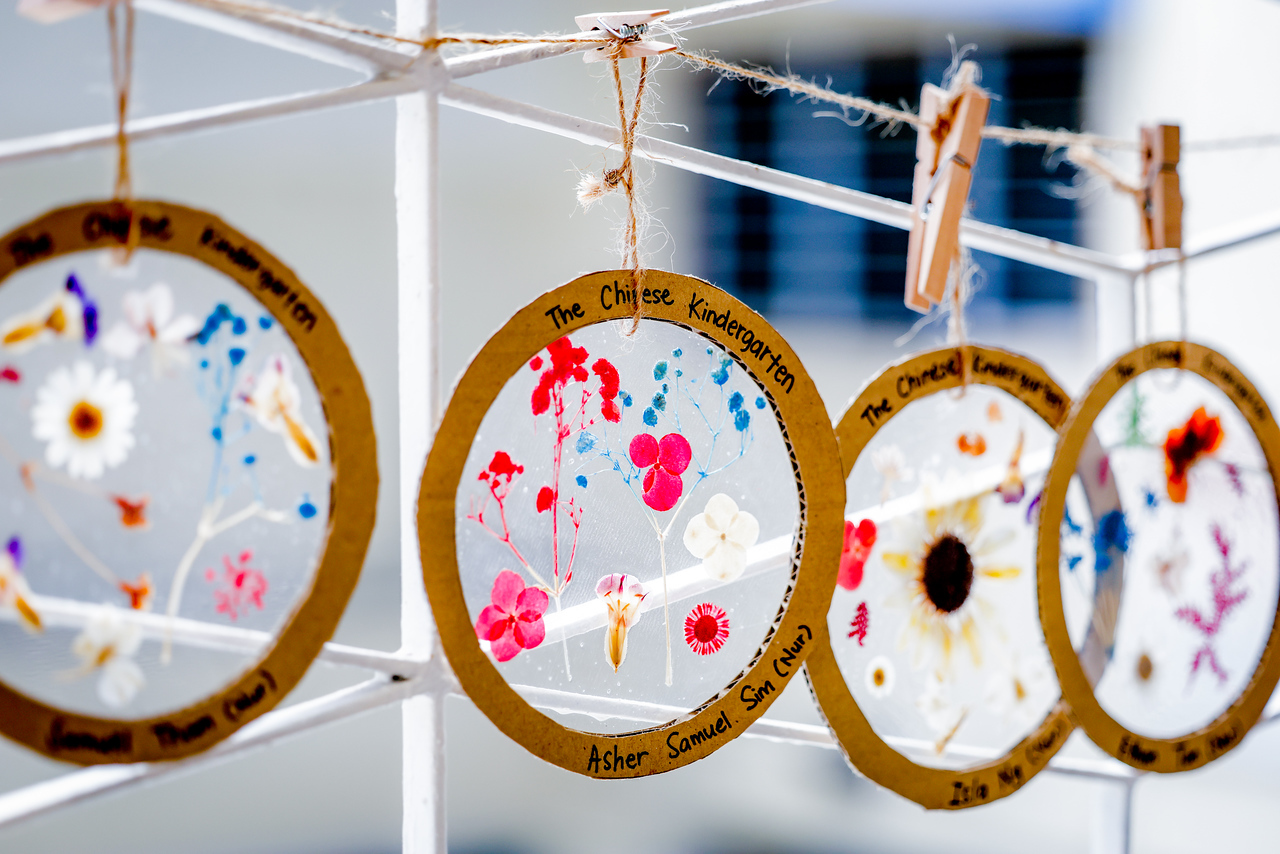
Children’s work on display in the premises of The Chinese Kindergarten.
That is why, if the church can carry on the work, it must. “Whatever resources we should put in, we will put in.”
Yes, the church will remain even if the school closes down. Jubilee Church would still worship, teach, fellowship, serve and engage in missions. But it would lose a particular window into the community, one that God has entrusted to them, he said.
Education, he added, cannot be complete if it concerns itself only with knowledge. For a church-based preschool, the deeper question is how children are introduced to Christ, and how they are formed in truth and values.
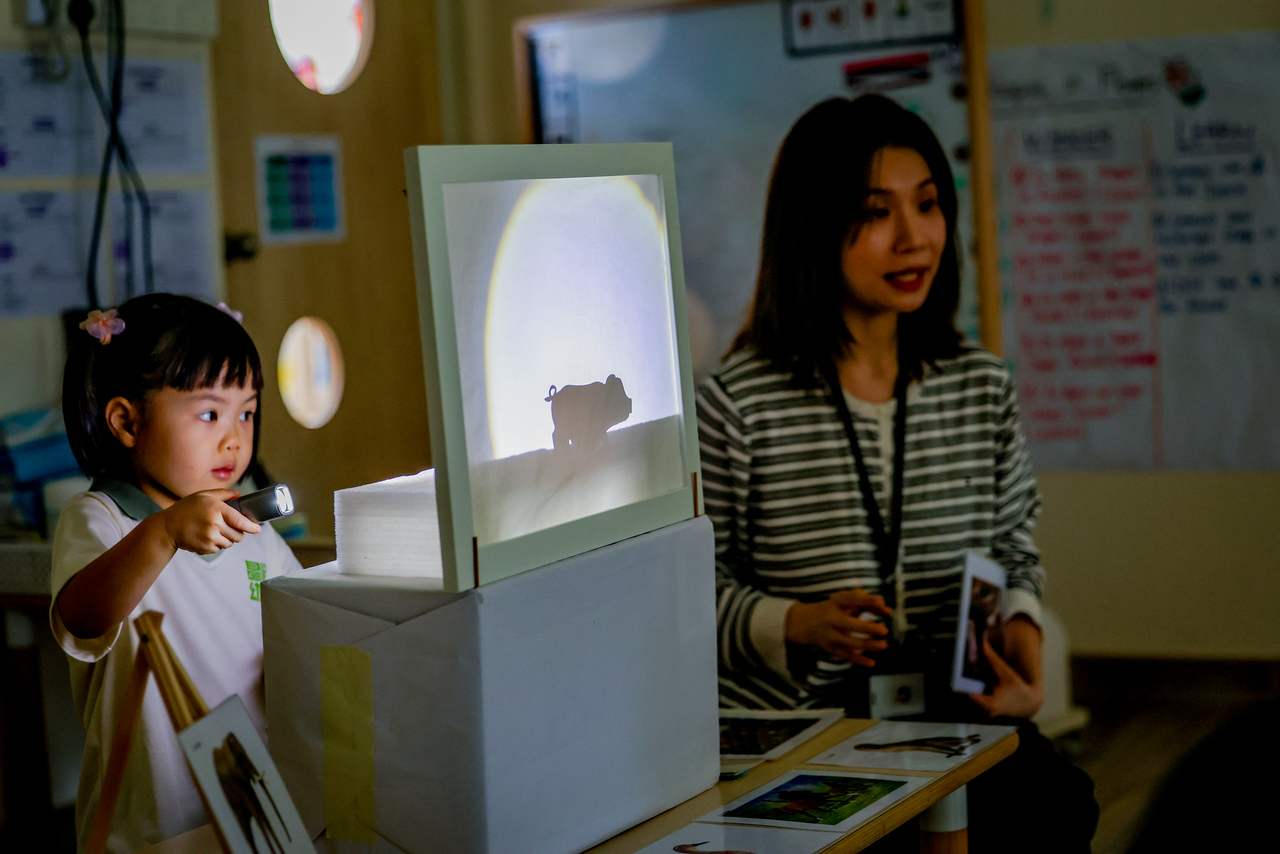
Teacher Wang Jia Min covering a lesson on light and spaces using shadows and puppetry.
Nevertheless, faithfulness today also requires wisdom to adapt – in mindset, branding, administration and operations – so that children and families can continue to trust The Chinese Kindergarten and benefit from its education.
One way The Chinese Kindergarten has adapted is through its partnership with Presbyterian Preschool Services, which operates the Little Olive Tree brand of preschools and desires to support other faith-based preschools share the load of operating.
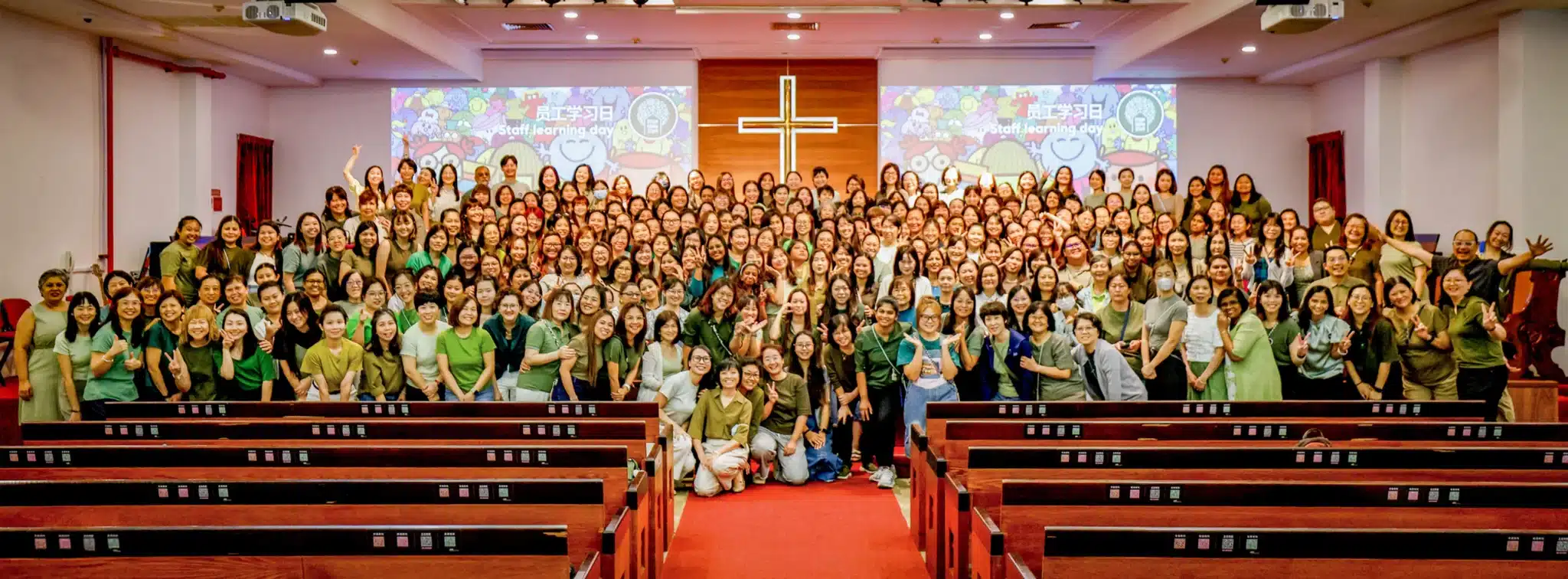
Presbyterian Preschool Services’ Combined Staff Learning Day in March 2026. Since partnering with Presbyterian Preschool Services, staff from The Chinese Kindergarten has a larger body of like-minded practitioners they can find support and inspiration from.
Formed in 2024, this partnership has allowed The Chinese Kindergarten to tap onto a larger team and network in aspects of school operations, school events and publicity efforts.
School leaders and staff members also benefit from having a wider community of practitioners to support them in their day-to-day teaching.
The hands that watered
The story of The Chinese Kindergarten is, in the end, not simply the story of Singapore’s first kindergarten. It is the story of how a seed was planted in faith.
One generation planted. Another watered. Another rebuilt. Another relocated. Another adapted. Another held on.
But ultimately, it was God who gave the growth.
And now, He continues to preserve it through another generation learning to receive the same inheritance with open hands; not as a museum piece, but as a living ministry.
And as Dai Yun, the kindergarten’s Chair, reflected: The point is not only whether the school reaches a desired outcome, but how faithfully the journey is walked.
And so, unless God says otherwise, the little school He has preserved will continue to receive the little children He loves.
This article is adapted from a longer feature originally published by Little Olive Tree. You can read the full original article here.
RELATED STORIES:
Seeing its preschool ministry in crisis, this church stepped up to save it
This year, as we celebrate 10 years, consider sowing into our Kingdom ministry! For S$10 a month, you become part of the #10for10 community and a part of every story we tell.
Partner with us
Related Articles
Where seeds and children grow: Lessons from preschoolers’ Creation C.A.R.E. showcase

“When children learn to care for creation, they are learning to live inside the Gospel story”: How to help kids see creation care as discipleship
Seeing its preschool ministry in crisis, this church stepped up to save it
