Where seeds and children grow: Lessons from preschoolers’ Creation C.A.R.E. showcase
This article was published in partnership with the Christian Preschool Alliance.
Cherie Sim // June 15, 2026, 9:00 am
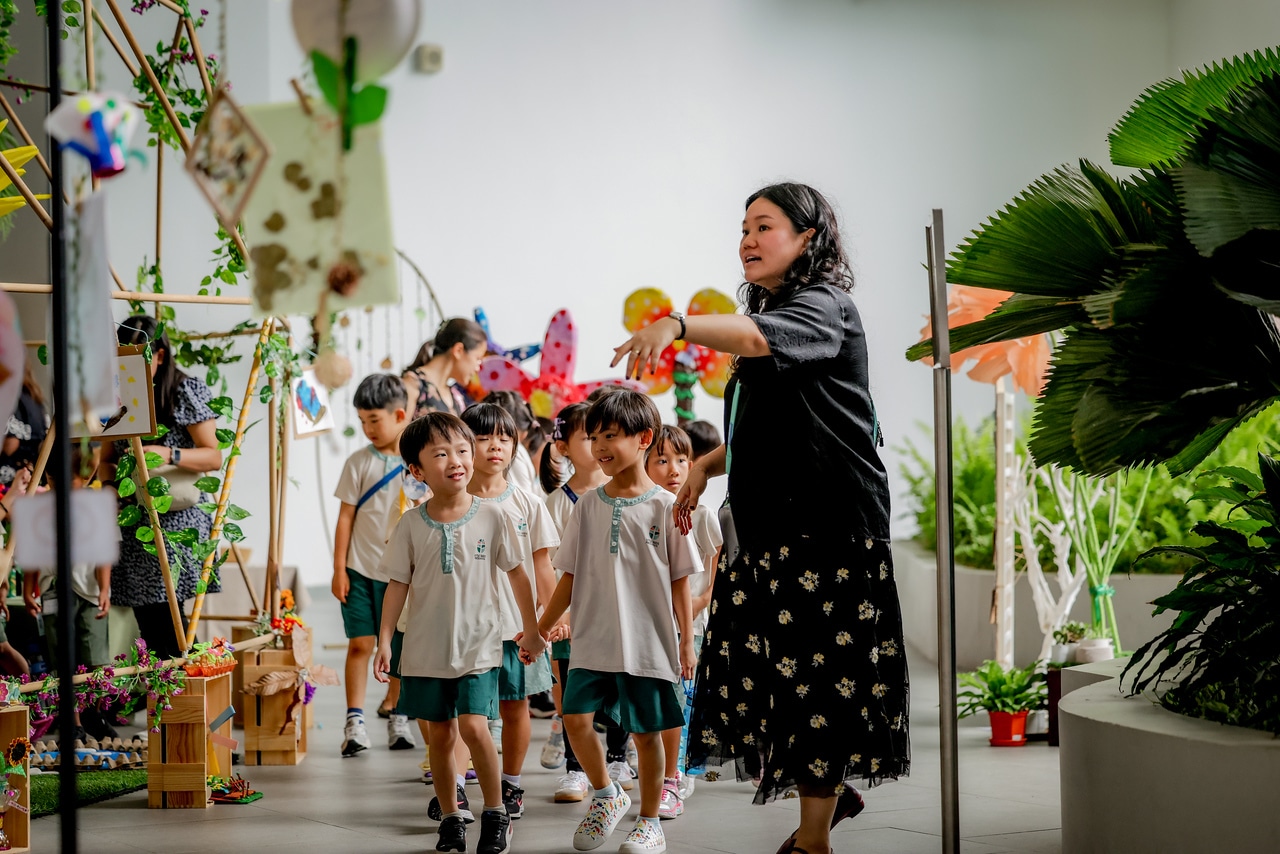
The Creation C.A.R.E. showcase brought together child-created displays from participating preschools, transforming the public space into a garden of recycled art, wonder and stewardship. All photos courtesy of the Christian Preschool Alliance.
On the morning of May 22, Perennial Business City began to fill with the unfamiliar sounds of a preschool gathering: Small footsteps, bright chatter, and children trying to take in everything around them at once.
The business park, typically playing host to only adults, was filled with preschoolers from 26 of the 40 preschools that participated in Creation C.A.R.E. 2026.
The annual initiative is organised by Presbyterian Preschool Services, which runs the Little Olive Tree chain, and takes children through a 10-week journey of caring for creation through wonder, hands-on learning and simple acts of stewardship.
The showcase, held from May 22 t0 24, brought together the learning journeys of children from Christian preschools across Singapore.
From recycled artworks and nature-inspired displays to planting projects and child-led sharing, the event was not merely a celebration of finished products; it was a window into months of observing, tending, wondering, creating and caring.
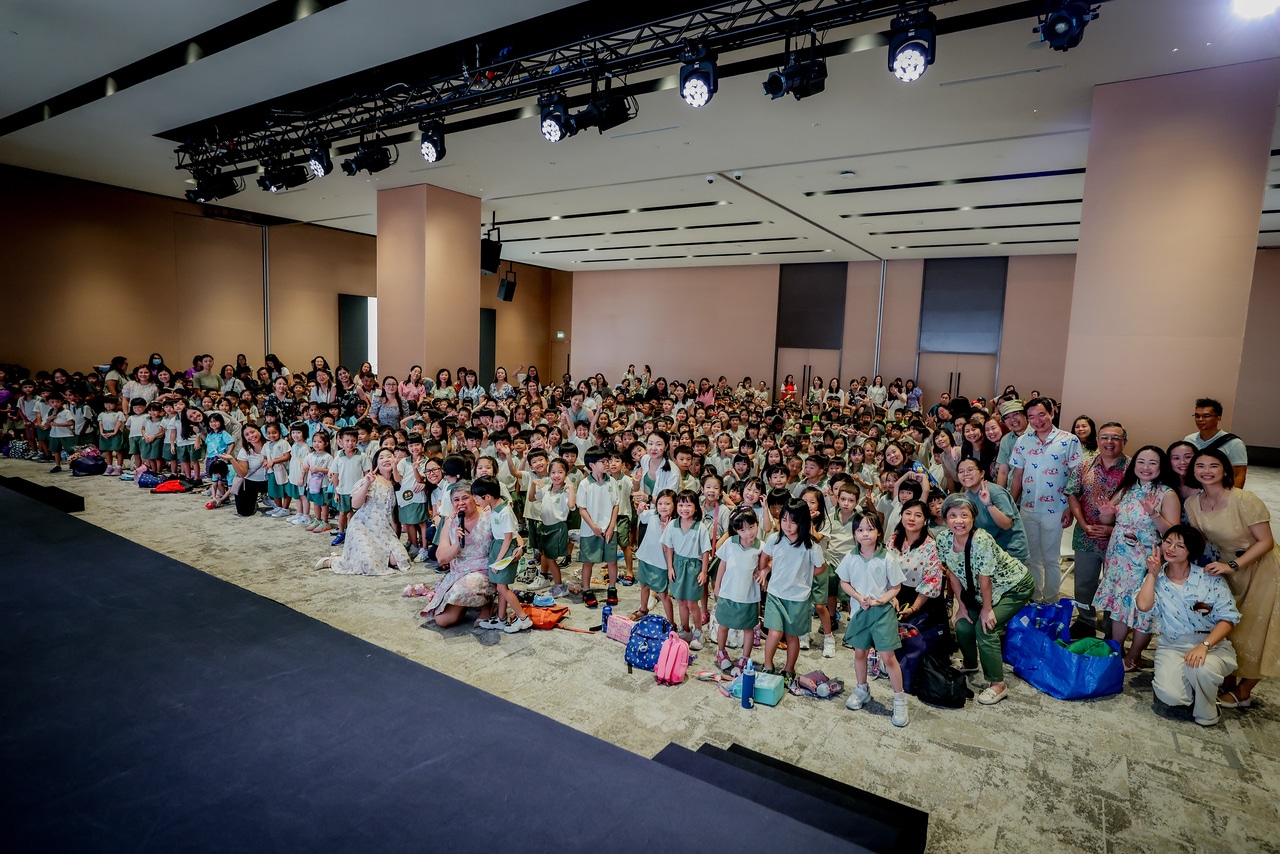
Children from 26 different Christian preschools participating in the Children’s Programme of the annual Creation C.A.R.E. initiative started by Presbyterian Preschool Services.
The morning began with the children gathered for a special programme, joined by Senior Parliamentary Secretary Mr Eric Chua, Fann Kang (Executive Director of Methodist Preschools), Sng Yee Kia (Chief Executive Officer of Anglican Preschool Services) and Douglas Leong (Chairman of Presbyterian Preschool Services).
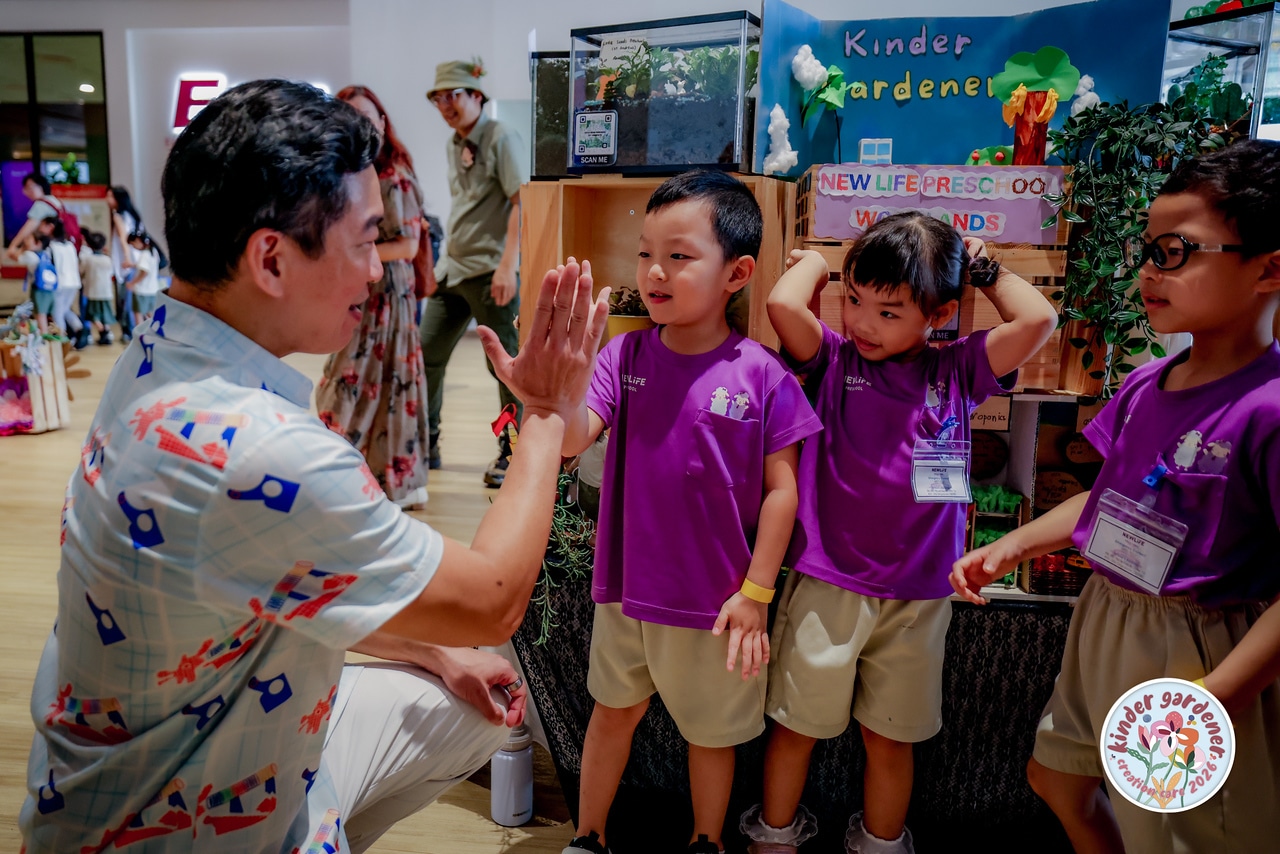
Children from New Like Preschool Services, one of the four schools whose host students introduced their school’s project to Mr Eric Chua, Senior Parliamentary Secretary and the Guest of Honour for the event.
After the children’s programme, young hosts from four participating schools led the guests on a “garden tour”, where they spoke about their work and shared insights about their learning.
Across the showcase, each school’s project reflected a different expression of creation care.
Lesson #1: God takes care of weeds, too
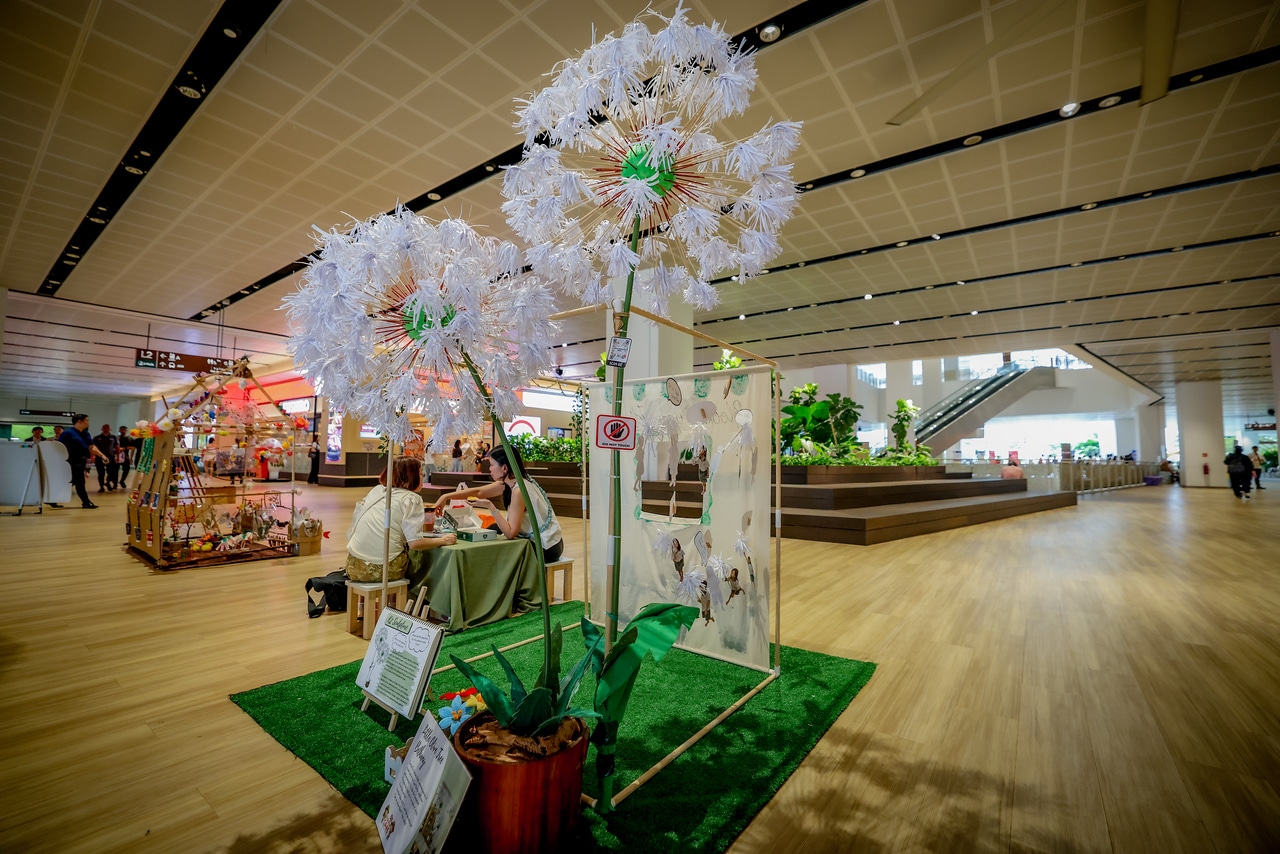
The sculpture of the dandelion done by Little Olive Tree Bethany which stands as a reminder of God’s sovereign care over all of life, including a weed.
At Little Olive Tree Bethany, the children’s journey began with a dandelion.
The children planted dandelion seeds in good soil, watered them and watched over them. For a while, nothing seemed to happen. Then small shoots appeared. The children were thrilled.
But after a heavy thunderstorm over the weekend, they returned to school to find that the pot had flooded and the young shoots had drowned. The disappointment was real.
Yet their principal gently pointed them back to the narrow strip of grass along the fence. “Look, the dandelions there are still growing,” she told them. “This is how God cares even for them. How much more will He care for each one of us?”
Through one humble dandelion, the children discovered wonder, care, loss, resilience and the faithful provision of God.
Their “Dandelion Big Dream” sculpture later reminded visitors that every child’s life is reflected in the dandelion seed. They are each unique, precious and filled with potential to grow in spite of life’s difficulties.
Lesson #2: We plant the seeds, God makes them grow
At two preschools, the children’s learning began with another unexpected discovery in the most unexpected of places – the drain!
At New Life Kindercare, the children observed that there were leaves growing in the drains. Their curiosity later turned to sunflowers, and they were especially intrigued by how sunflower seeds fall from the flower.
“How come the sunflower got seed?” one child asked.
After reading If I Am a Tiny Seed, What Will I Be?, the children imagined what a seed might become and placed their responses on a class graph. The sunflower received the most votes, leading the class to construct a giant sunflower.
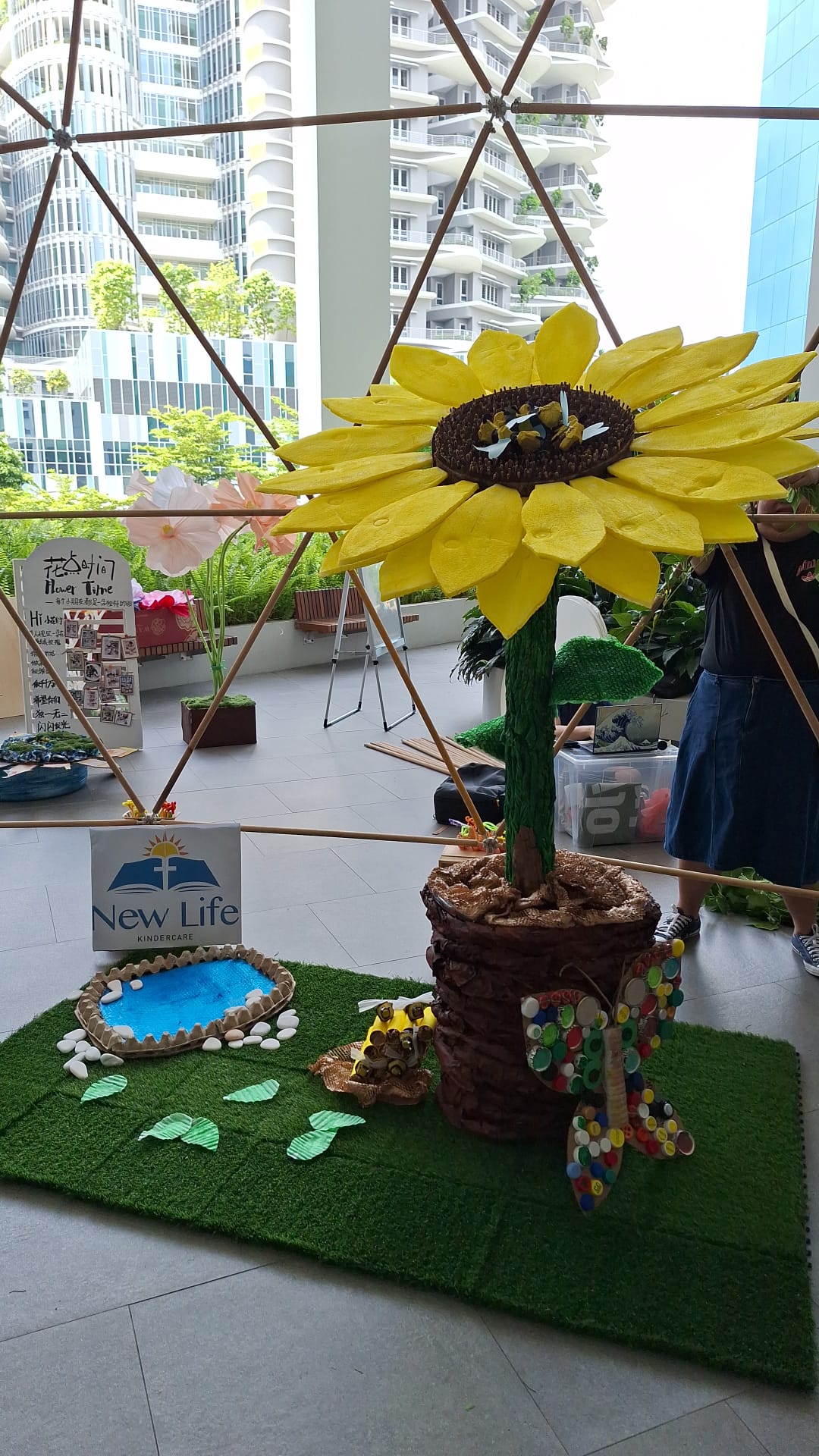
Sculpture of a sunflower co-created by the children and teachers from New Life Kindercare as part of their exploration of how sunflower seeds fall from the flowers to plant more sunflowers!
They studied the parts of a sunflower – stem, petals, leaves and centre – and began collecting recycled materials. Foam pieces became petals. A large container became the flower pot. The children rolled, twisted, pasted, painted and worked together.
“I bring yellow things for the petals,” one child offered.
At Little Olive Tree Marsiling, one preschooler similarly noticed a plant growing in a drain during a walk around the school. “Got plant in the drain! How come?” the child asked.
That small question opened up weeks of inquiry. The children explored flowers and plants around them, touched leaves, noticed their soft and smooth textures, and identified colours such as red, yellow and purple.
The younger children created sun-catchers and flowers using collected petals, colour-sprayed tissue paper and everyday materials.
The older children became “flower detectives”, observing patterns in plants and asking questions such as, “Why are flowers different colours?” and “How does a seed become a plant or flower?”
Their learning eventually took shape in collaborative creations: A Rainbow Tree and a terrarium called “Rainbow Love”.
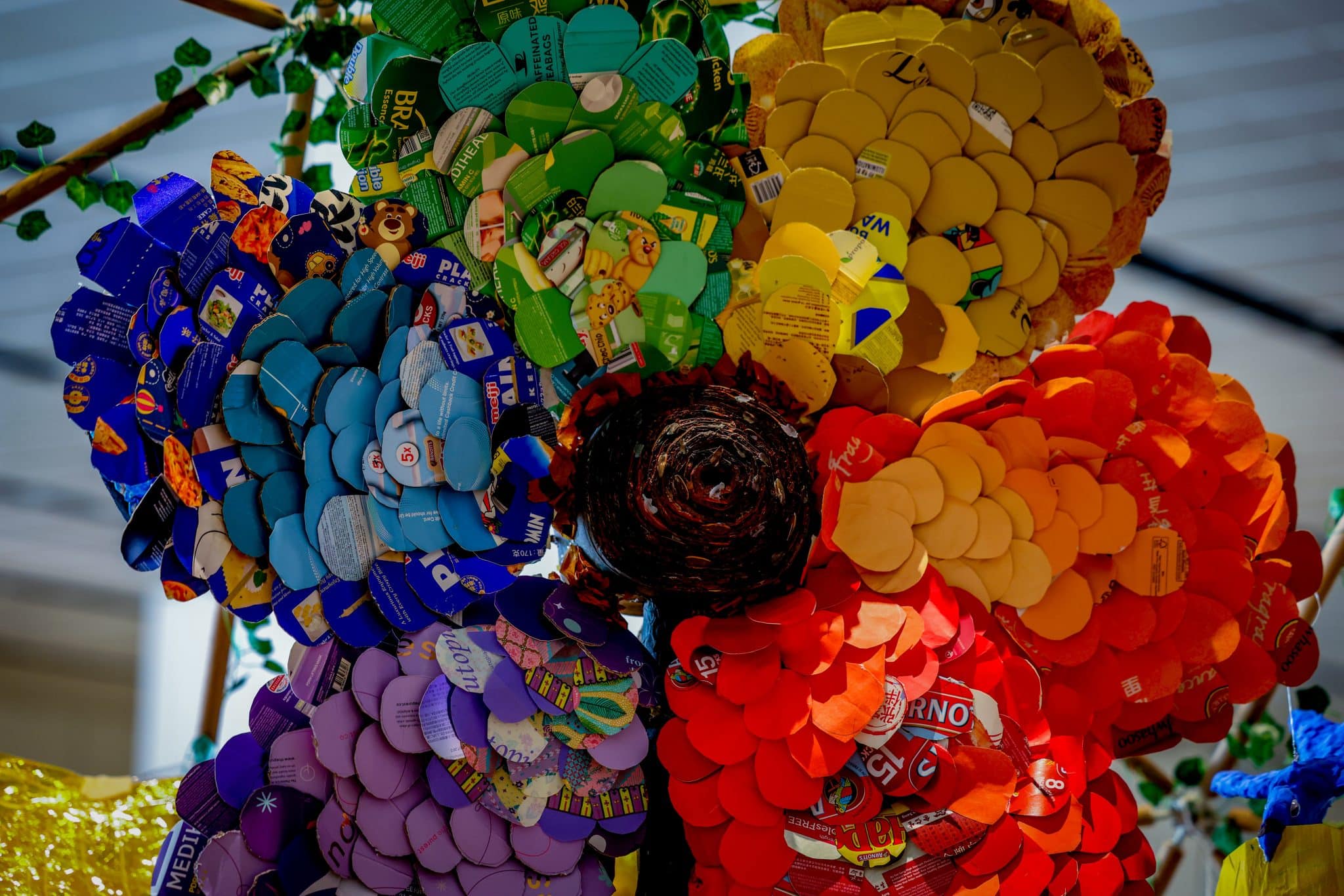
The final sculpture, the Rainbow Tree, by the children of Little Olive Tree Marsiling which summarised their weeks-long effort of inquiry how flowers are evidence of life and growth.
Inspired by a child’s observation – “We see so many colourful flowers” – the children used colourful bottle caps to represent flowers they had seen in the garden.
The terrarium showed the stages of plant growth from seed to flower, with drawings of themselves added inside: A precious reminder that they were not just learning about the garden, but seeing how intricately God designs and sustains life.
Lesson #3: God’s creation is beautiful … including the insects!
As children explored what makes a good gardener, some very important characters were also thrusted into the spotlight – the insects!
At Little Seeds Preschool (St John’s-St Margaret’s), the children’s project began in their rooftop garden. One day, they noticed insects crawling, flying and buzzing around them.
Their curiosity quickly turned into questions: How do these insects survive? What do they eat? Do they build their own homes? What happens when it rains, or when the sun becomes too hot?
After their teacher read them the book Insect Hotel, the children imagined how they could create safe shelters for the insects in their garden. Using recycled and natural materials collected with the help of their families, they built handcrafted insect hotels.
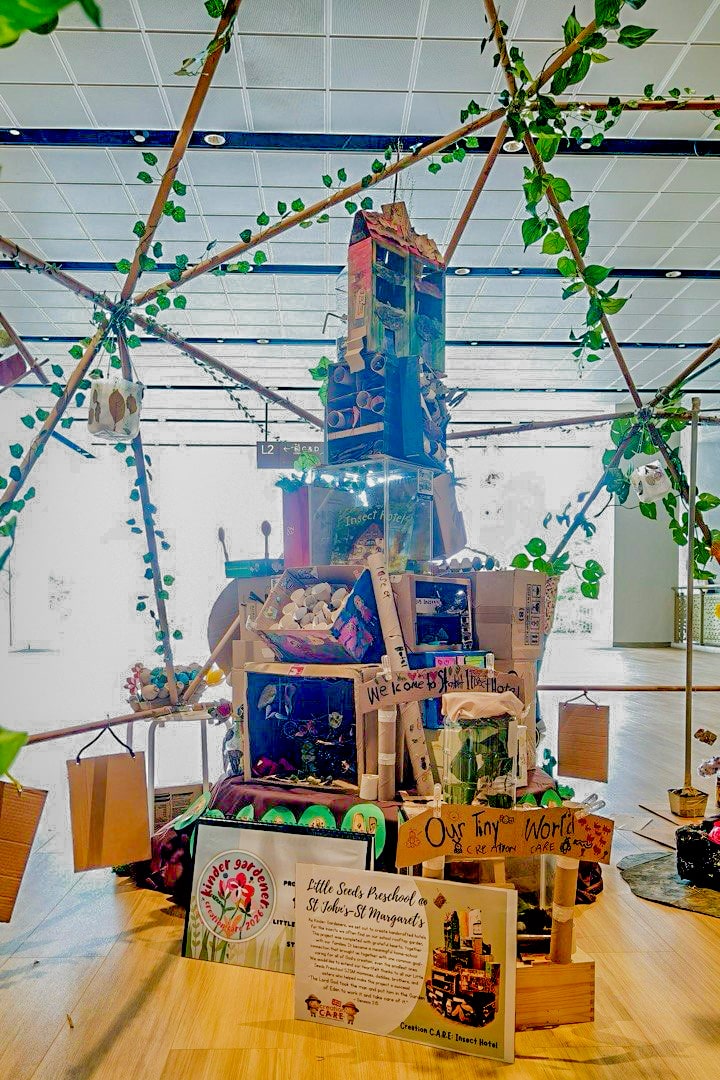
The Insect Hotel created by the Kindergarten 2 children at Little Seeds Preschool @ St John’s-St Margaret’s, an expression of curiosity and empathy after learning about insects and their need for shelter.
But when they looked at what they had made, they noticed a problem.
“But our insect hotels are empty! Should we add real insects?” they asked. “Maybe we can invite many tiny living creatures to make them feel like a real home!”
Soon, the children began bringing in insects they had found: A grasshopper, ants, a gecko and even a caterpillar still creating its cocoon. Their questions deepened as they considered how to make the space safe and comfortable.
“We should make this place like a hotel lobby,” one child suggested. “The insect can wait and still be comfortable.”
In these small conversations, the children were doing more than making craft. They were exercising empathy – considering the needs of another living creature and realising that care requires thoughtfulness.
Across the showcase, the children’s work bore the marks of process. Some pieces were colourful and carefully arranged; others carried the charming unevenness of young hands still learning control. But that was precisely the beauty of the event.
Creation C.A.R.E. was not about producing perfect artwork. As Presbyterian Preschool Services put it, this was “a journey shaped by process, not performance; by faithful stewardship, not flashy outcomes”.
The excellence being pursued was not found only in the final product displayed, but “in the character formed and the care shown each day”.
Lessons for the adults
For educators, the showcase was a reminder that a teacher who points out a seedling, invites a child to water a plant or asks, “What do you notice?” is doing more than facilitating an activity. They are helping a child learn to pay attention to the good world God created with all its creatures in it.
For parents, the event offered a glimpse into what children are capable of when given meaningful opportunities to participate. Children may not fully understand the language of environmental stewardship, but they can learn to water gently, reuse materials, care for living things and thank God for the world He has made.
In God’s loving hands, our children grow
By the time the children settled into their picnic lunches and continued their walkabouts, the event had already offered its quiet lesson.
The seed, which was the lesson many children spent weeks learning about, represented each child who participated. Each child, like the seed, is capable of growing, often in unseen and insignificant ways.
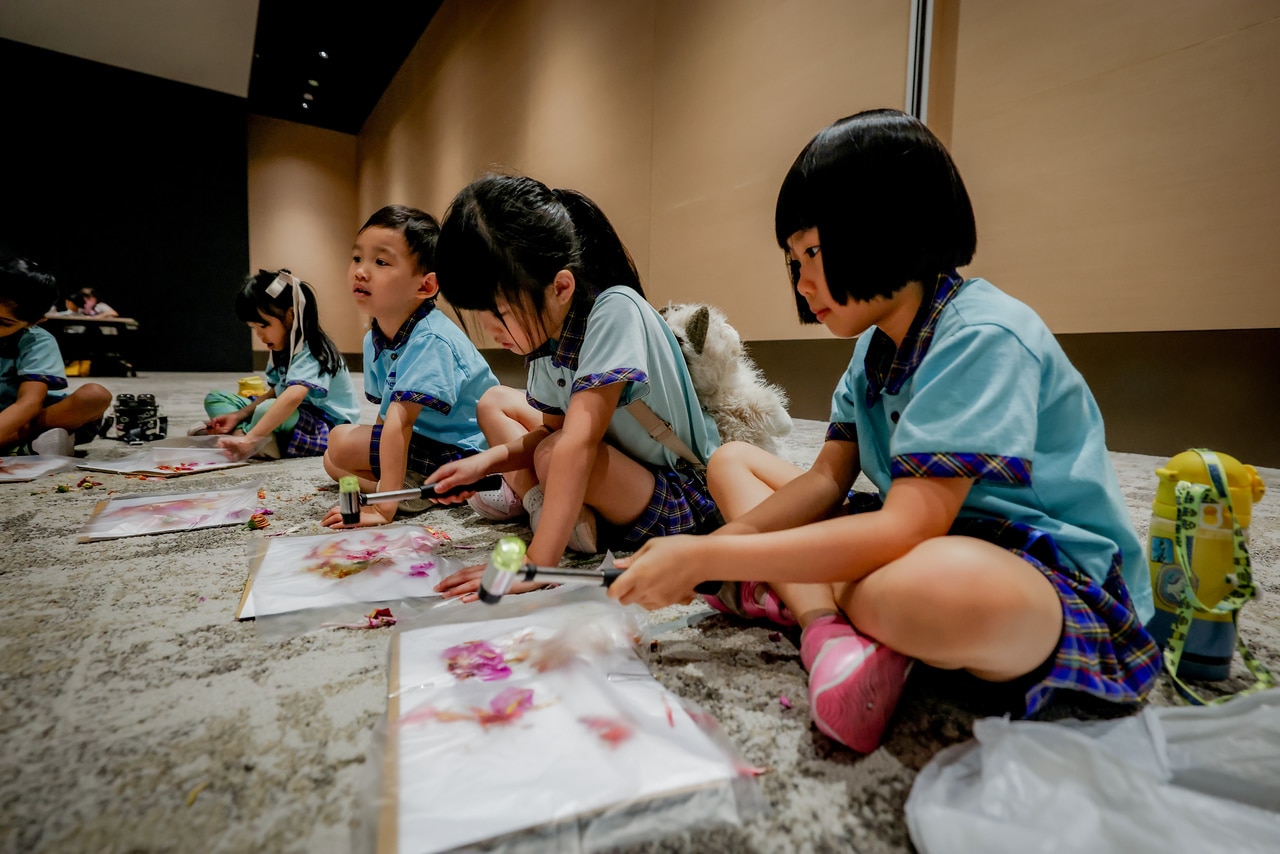
Children from New Life Kindercare working on a flower transfer activity as part of the Children’s Programme at Perennial Business City.
Growth begins in a provocation, a walk in the garden, a question, a gentle reminder, insects existing alongside us, or even a beautiful weed that survived a terrible storm over the weekend.
And perhaps that is the heart of creation care … just as children are learning to steward creations and resources on earth, God is also growing wonder, empathy, responsibility, patience and love in them.
RELATED STORIES:
From wonder to stewardship: How preschoolers are learning to care for God’s world

This year, as we celebrate 10 years, consider sowing into our Kingdom ministry! For S$10 a month, you become part of the #10for10 community and a part of every story we tell.
Partner with us
Related Articles
The preschool God preserved: How Singapore’s oldest preschool has endured for more than a century
“We love and honour God by being good stewards of His creation”: How CEFC came to embrace creation care from the ground up

“When children learn to care for creation, they are learning to live inside the Gospel story”: How to help kids see creation care as discipleship