Building children’s ministry together: Despite difficulties, what keeps teachers going?
by Gracia Chiang // May 4, 2026, 4:47 pm

Balancing the tension between marketplace and ministry is tricky, but these panellists share what has helped. All photos courtesy of Kidmin Singapore.
What keeps children’s ministry (CM) leaders serving week in, week out?
At Kidmin Singapore‘s Children’s Ministry Equipping Conference held on April 18, 2026, three panellists shared their take on the heart of a teacher.
From a young professional who is juggling a busy career and newly married life, to a school leader and a seasoned educator who are both parents themselves, these three CM teachers have wrestled with what faithful service looks like during different seasons of their lives.
They are: Dr Morgan Zhou (Fairfield Methodist Church), Chai Chor Tiang (Mount Carmel Bible-Presbyterian Church) and Grace Chew (Calvary Baptist Church).
Together, they highlight five Cs for any CM staff or volunteer to consider.
Calling: Seek God’s guidance for the season
Six months. That was how long Chor Tiang told her Senior Pastor that she would serve.
But today, Chor Tiang is in her eighth year as a full-time CM staff in her church.
“I’m enjoying it so much. There’s so much joy at the moment that I don’t feel led to be stopping,” she said with a laugh.
If you had talked to Chor Tiang more than decade ago, she would have probably not seen this coming.
While church was always a big part of her life from childhood through adulthood, the third-generation Christian said she did not feel a calling to CM.

At the time a school teacher from Monday to Friday, Chor Tiang felt she needed a break on the weekend.
“I really avoided teaching on Sunday … so I found myself in many other ministries.”
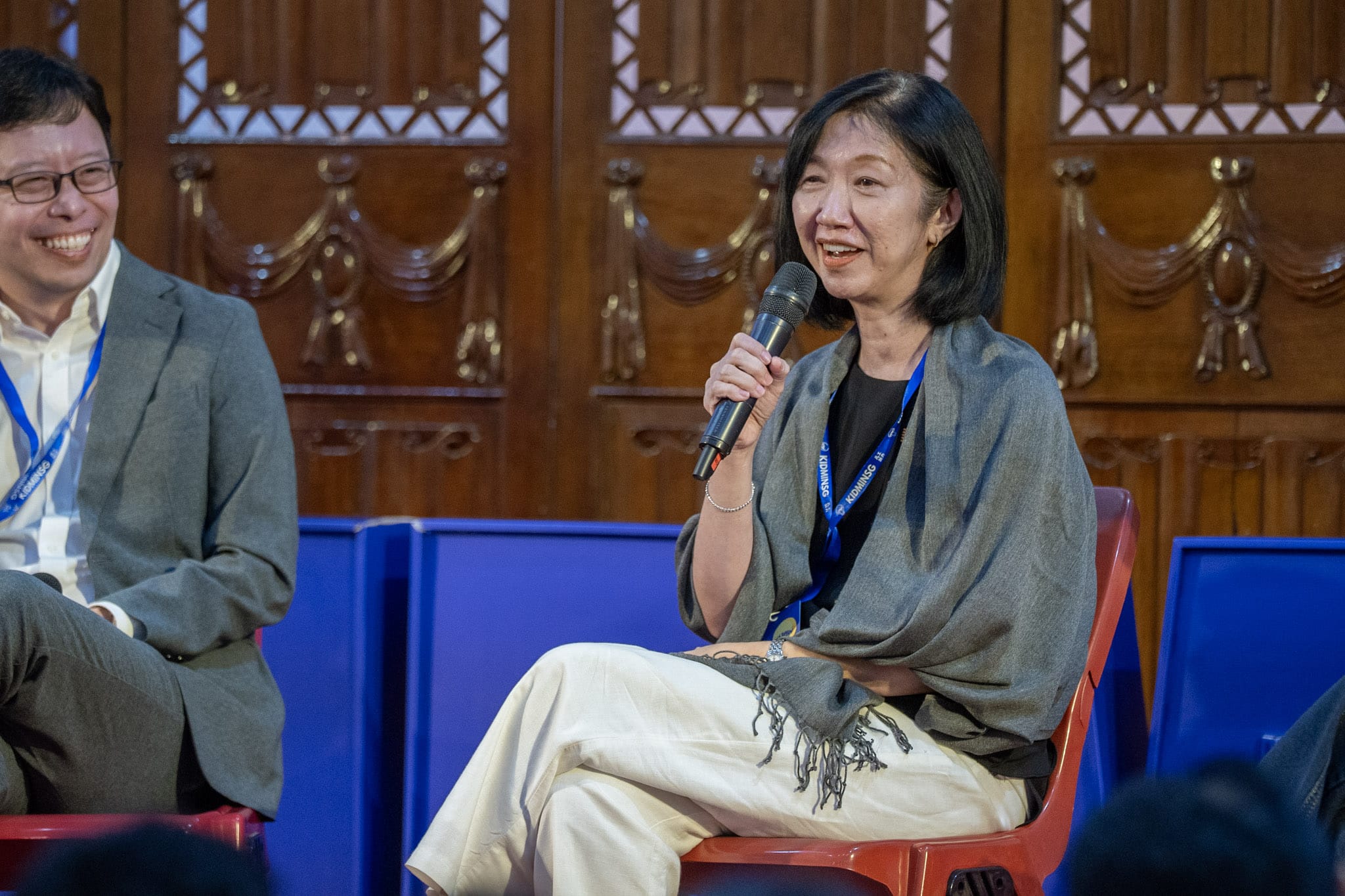
Chor Tiang used to serve in various ministries, from outreach to producing musicals. “Anything other than kids’ ministry,” she quipped.
However, her Senior Pastor approached her in 2017 and shared his desire for a review of the way Sunday School was run.
“He knew that, professionally, I had been involved in a lot of curriculum development outside, in the secular world, and he just wanted me to bring a fresh lens into the kids’ ministry to see how we could do things differently.”
The review was completed in 2018 and recommendations were given. But that same year, their church’s CM staffer resigned unexpectedly due to family matters.
Chor Tiang was then asked to consider the role. While she was initially reluctant, she agreed to pray about it.
“I went into the role with great fear and trembling.”
“God made it very, very clear to me that I had to step out of what I was doing then, which was very cushy and comfortable for me,” she recalled.
“But even then, I went into the role with great fear and trembling because I knew that the task was not just about imparting knowledge.
“The KPIs (key performance indicators) are so different. We’re dealing with kids’ souls and their salvation. That weighed heavily on me, but I also had the assurance that God was with me, and He was going to see me through.”
However, the panellists also acknowledged that not everyone is called to full-time ministry – and that is perfectly fine.

Grace has never served full-time in church, but she orders her life around her commitment to CM.
While Grace’s Senior Pastor regularly checks in with her about working in church, the CM lay leader said she is certain that her calling for now is to serve full-time in the marketplace with the other talents that God has given her.
“But that does not stop me in terms of continuing to serve in my fullest capacity in children’s ministry because my heart is always for the next generation,” she emphasised.
After graduating from university, Grace revealed that she had a very tough first job that did not allow her to be truly present when she was serving in CM.
But she took steps to relook her priorities. “I made the decision that I will make children’s ministry my priority and then centre everything else around that.”
Sharing how she first started serving with her family when she was seven years old, Grace said: “My parents didn’t have any back-up dancers in front, so that was me and my sisters. ‘Nobody on duty today? Okay, you’re on duty.’
“I’ve seen how much my parents gave when they led the children’s ministry back then. I felt so enriched by all the things I received as a child that I, too, wanted to give back when I grew up.”
Community: Rely on your co-workers
When asked what gave her the confidence to step up and lead the entire ministry despite her age, Grace said: “Having a good community to support you in the vision of building the children’s ministry together.”
Recognising the value of forming a team of like-minded people to avoid burnout, the young adult added that she had taken over from a long-serving leader who was weary.
Hence, one of the first things that she did was to rope in her friends. “People who were very passionate about children, even people who were a bit on the fence about children but who felt raising the next generation was important.”
“Don’t do it alone.”
Today, her church’s CM is still run entirely by lay leaders, but there are seven other young adults who are in the committee.
“Every year when we do our retreat, I’ll ask them, ‘What’s your five-year plan? Are you having kids? Do you all need a break?’
“If the Lord calls you away to somewhere else to serve, by all means let’s plan towards that. But if the Lord wants you to stay in this ministry, let’s think about what that five years or the next few years is going to look like in terms of your own personal life so that we can continue to support each other.”
The bottom line? “Don’t do it alone,” she advised. “Be honest and open, and talk to the people that you know care about the same things that you care about.”
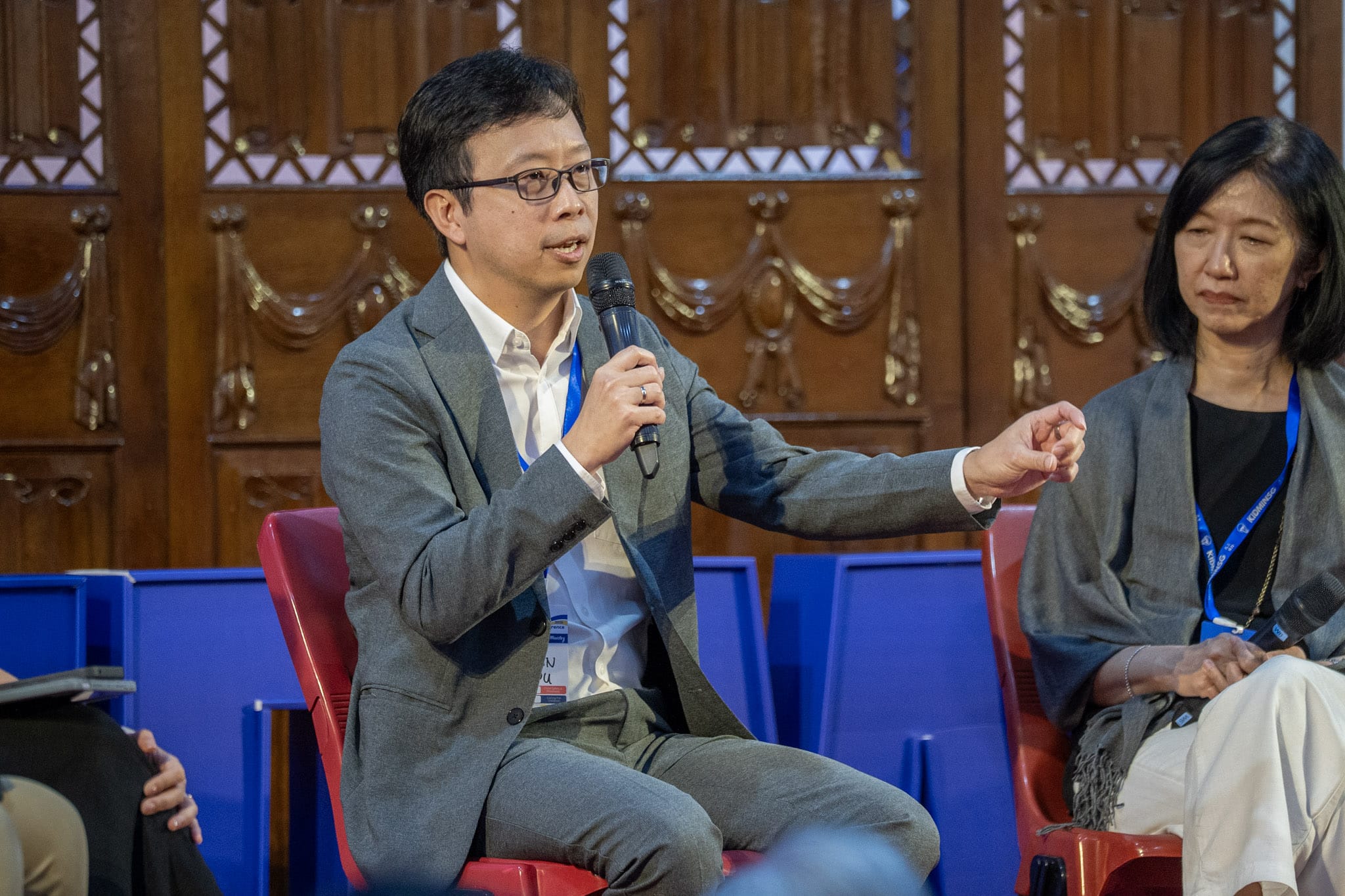
Having people to journey alongside through life’s challenges is key to not burning out, said Morgan.
Echoing Grace’s point on community, Morgan shared how fellow CM teachers encouraged him when his family was faced with different health challenges over the years.
In the midst of these struggles, Morgan wondered at times if he should continue serving.
“Am I supposed to be here? Am I called to serve in children’s ministry? Maybe it’s a time for me to spend with my family now because I must prioritise my family above all.”
But Morgan also remembered how in those difficult seasons, the ministry rallied alongside their family.
“Each of us plays a part in how we reflect God’s love to one another.”
When he and his wife had to do hospital runs and could not be in church, his co-workers would sit down with his children to pray and process things with them.
“I think that reinforces the whole idea about community being important and a real anchor; a community that is guided by God’s love,” noted Morgan.
“Even as we’re trying to discern our calling … I think we need to look to Jesus; we need to look to His love.
“And His love is shown through all of us because each of us plays a part in how we reflect God’s love to one another.”
Culture: Bring down barriers to ministry
To establish a community, there must be people. However, recruitment can often be difficult for CMs, especially in smaller churches.
Since their review in 2018, Chor Tiang shared that one of their ministry goals was to bring down the average age of their teachers, which was around 50 years old at the time.
Today, they have successfully been able to do so through a division of labour that resolves their resource challenges.
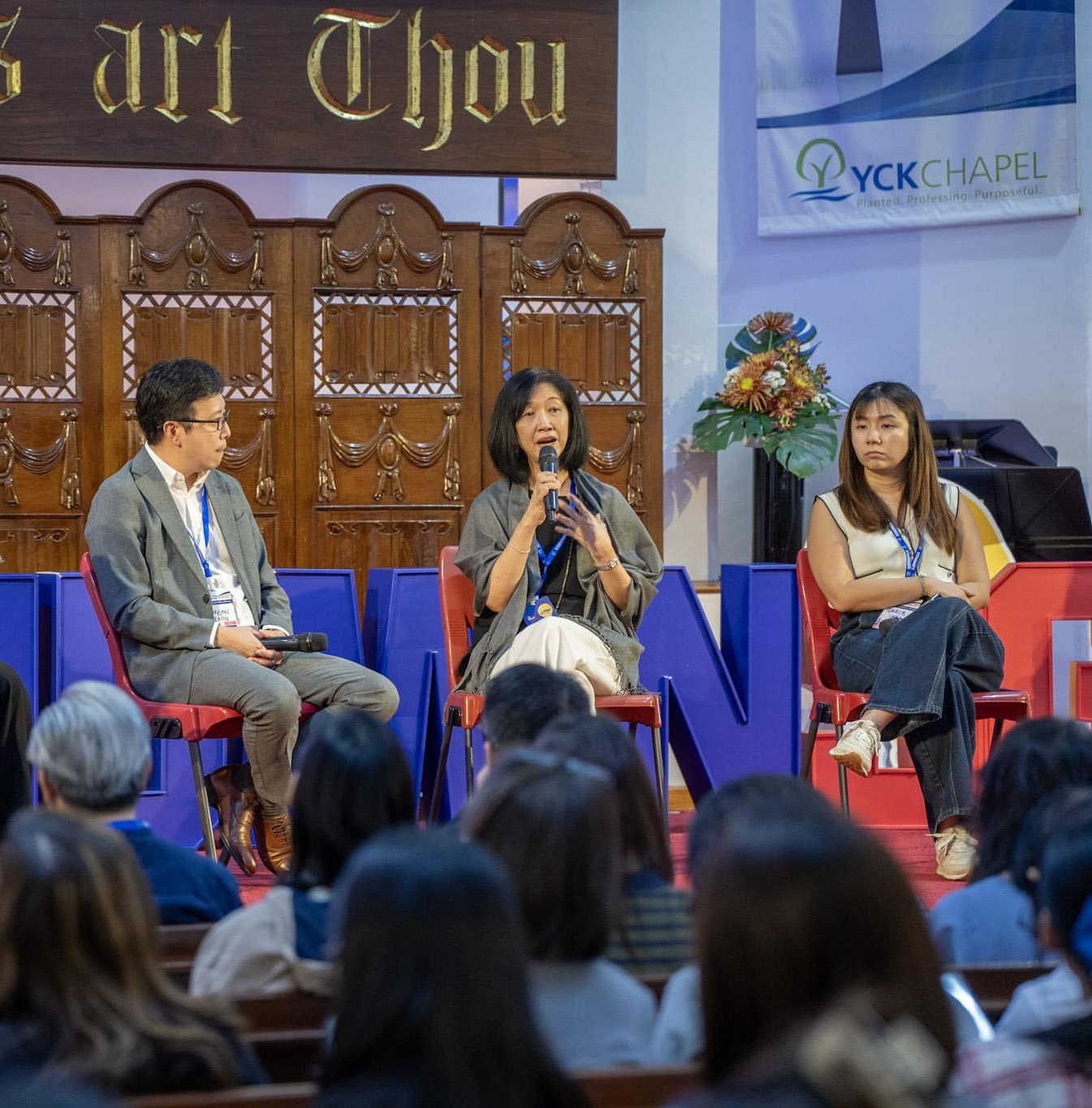
Make it easier for parents to serve, encouraged Chor Tiang.
Their teachers rostered on Sunday only teach, while a separate team takes care of lesson preparation, from the PowerPoint slides to the songs, craft and games. Their CM also uses a common curriculum from kindergarten to primary school, although this is taught at greater depth for the older kids.
The teachers – the majority of whom are parents – receive the PowerPoint deck earlier in the week, read the relevant devotional for that lesson, and then by Friday choose from the options presented and tell the preparation team what materials they will need.
“On Sunday, when they go to the class, ‘magically’ everything is there,” joked Chor Tiang.
“We found that by doing so, we were able to encourage more parents to come onboard. Parents are so busy.”
On the point of succession planning, she added: “The parents are the natural group that we should be looking for.”
Connection: Let serving flow from abiding
Having said that, it is also a reality that no matter how a church’s CM is run, there will be times of discouragement.
That is why going back to the source, to the One who calls and sustains us in ministry is crucial, the panellists reminded attendees.
“We need to draw from the wellspring of life. And if we can’t, then perhaps we have to step away for a season in order to renew ourselves before we come back again,” suggested Chor Tiang.
“We have to take care of ourselves before we can take care of other people.”
All volunteers and staff need to be intentional to examine whether they are coming with any feelings of resentment or dread.
If those emotions are present, “pray against them, ask the Lord to help you overcome those feelings and continue to abide in Jesus”.
“We have to take care of ourselves before we can take care of other people,” she said.
“There may be seasons of life where you need to stop, rest, learn, and sit at the feet of Jesus and just recover before you go out and serve again.”
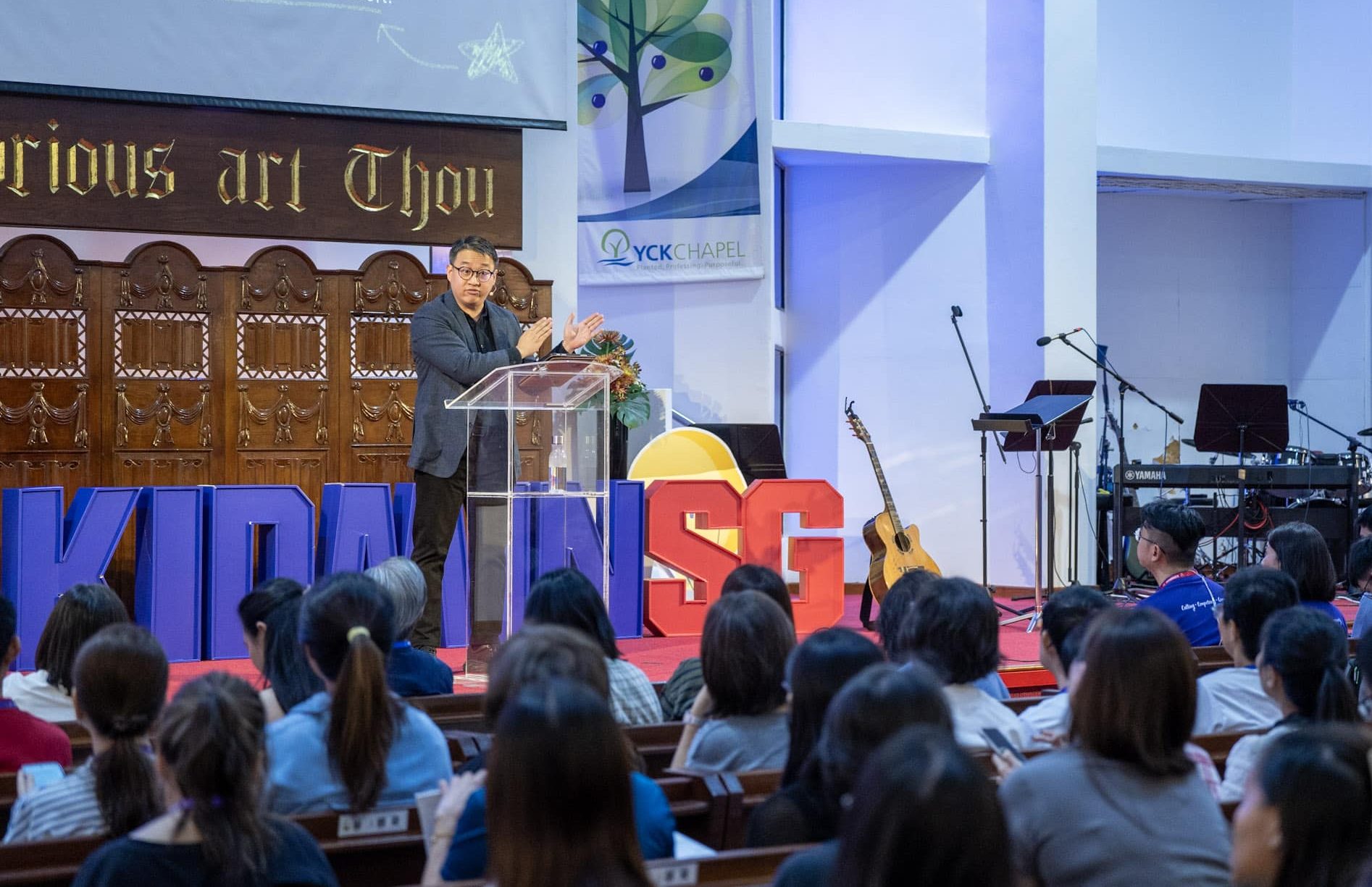
Referring to a point made by keynote speaker Rev Dr Leow Wen Pin in his opening address (pictured), Chor Tiang highlighted the need to adopt a learner’s posture instead of always seeing yourself as a giver.
Agreeing that CM teachers have to cultivate their spiritual walk, Morgan asked: “Are we growing in Him? Are we being refreshed by streams of living water?”
The love of God has to be the motivation that drives us to serve, he said.
Cautioning that sometimes the objectives and outcomes that CM teachers desire may not be what God is after, Morgan explained: “He wants us to build relationships with children to show God’s love.
“And for us to be able to build relationships with the children, first and foremost, we ourselves need to be right with God.”
“Don’t focus on the KPIs, but the DPIs (Divine Performance Indicators).”
The hard truth is this: It is easy to have a nice programme and to become so professional in running Sunday school that we thrive on the affirmation of others.
However, that is not healthy in the long run, said Morgan.
“When we serve our children with that wellspring of abundance that comes from the Lord, then the way we do relationships, the way we do our Sunday schools will be very much different.”
“So we need not focus on the KPIs, but the DPIs (divine performance indicators),” he remarked, following up on the term earlier used by Elvin Foong, co-founder of Kidmin Singapore.
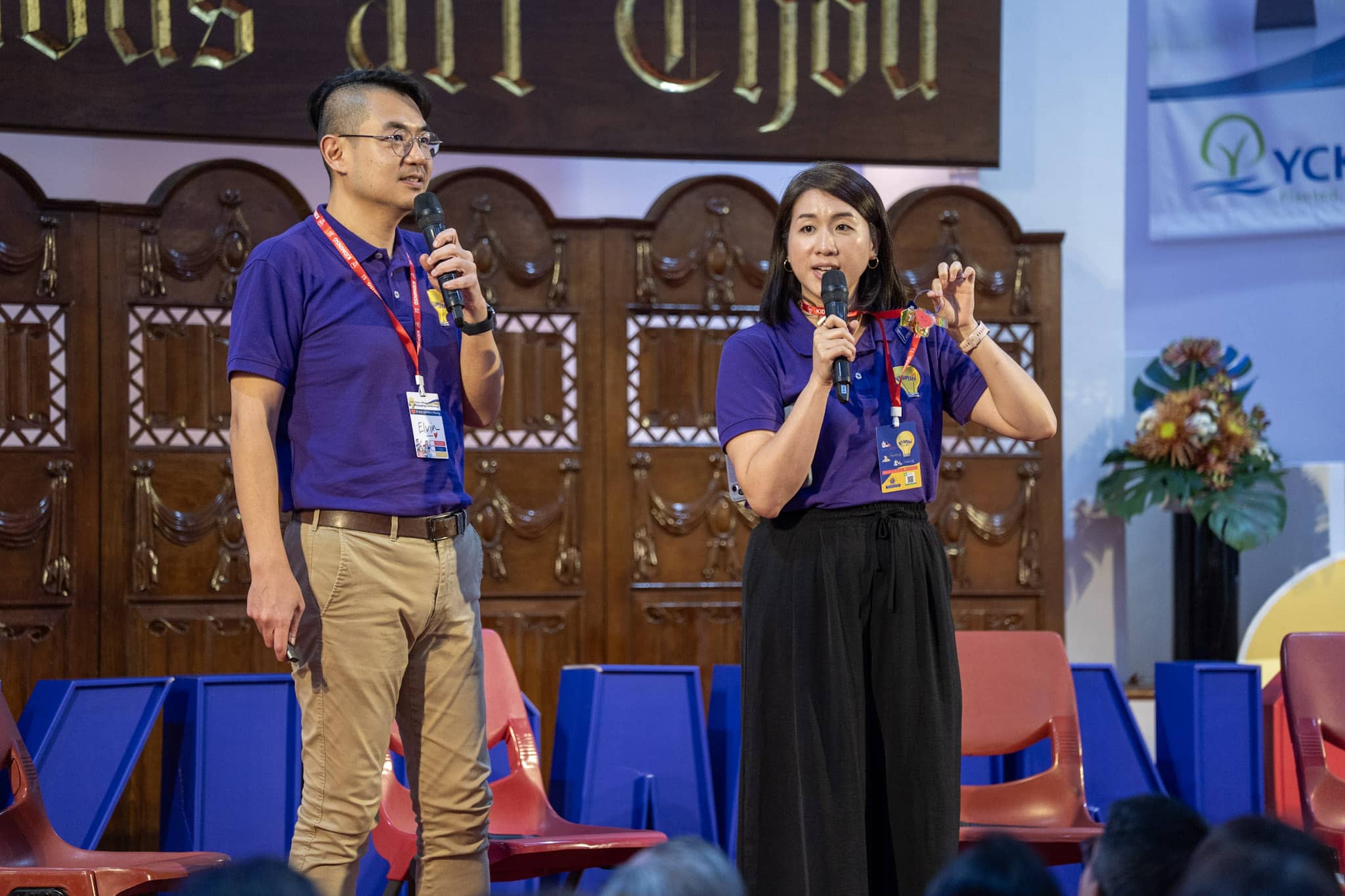
Ministry should not become a substitute for personal intimacy with God, shared Kidmin Singapore’s co-founder Esther Foong.
Care: Have conversations beyond curriculum
At the end of the day, building relationships enables CM teachers to be channels of God’s love, all the speakers reiterated.
When asked what they thought was the heart of a teacher, Grace said: “For me, it’s really to know the child beyond the programmes, the lessons, but really to understand them and talk to them.
“Something that the world can never replace when it comes to discipling our children is the godly wisdom that comes from each one of us … the testimonies that we can share with them through our lives.”
“The heart of a teacher is someone who really sees children the way God sees children.”
Adding that she tries to remove the concept of school from the impressions that children have of CM, Chor Tiang reasoned: “We don’t know how they fare in school, we don’t know what kind of environments they have in school.
“When you say ‘come to Sunday school’, I’ve seen in some of our children a sense of fear and trepidation.”
This is especially true for kids who have never been to church, she added.
“We want to create in our environment a very safe space for the kid to know that they are loved beyond measure, that we do not look at their performance in any way.”
Instead, Chor Tiang wants to build a ministry where every child is viewed as precious and unique.
“When we are talking about the faith journey, about how they feel, about what they think about the text, about how they respond to the text …. there are no right answers. There’s only your answer. I’m interested in you and your response.”
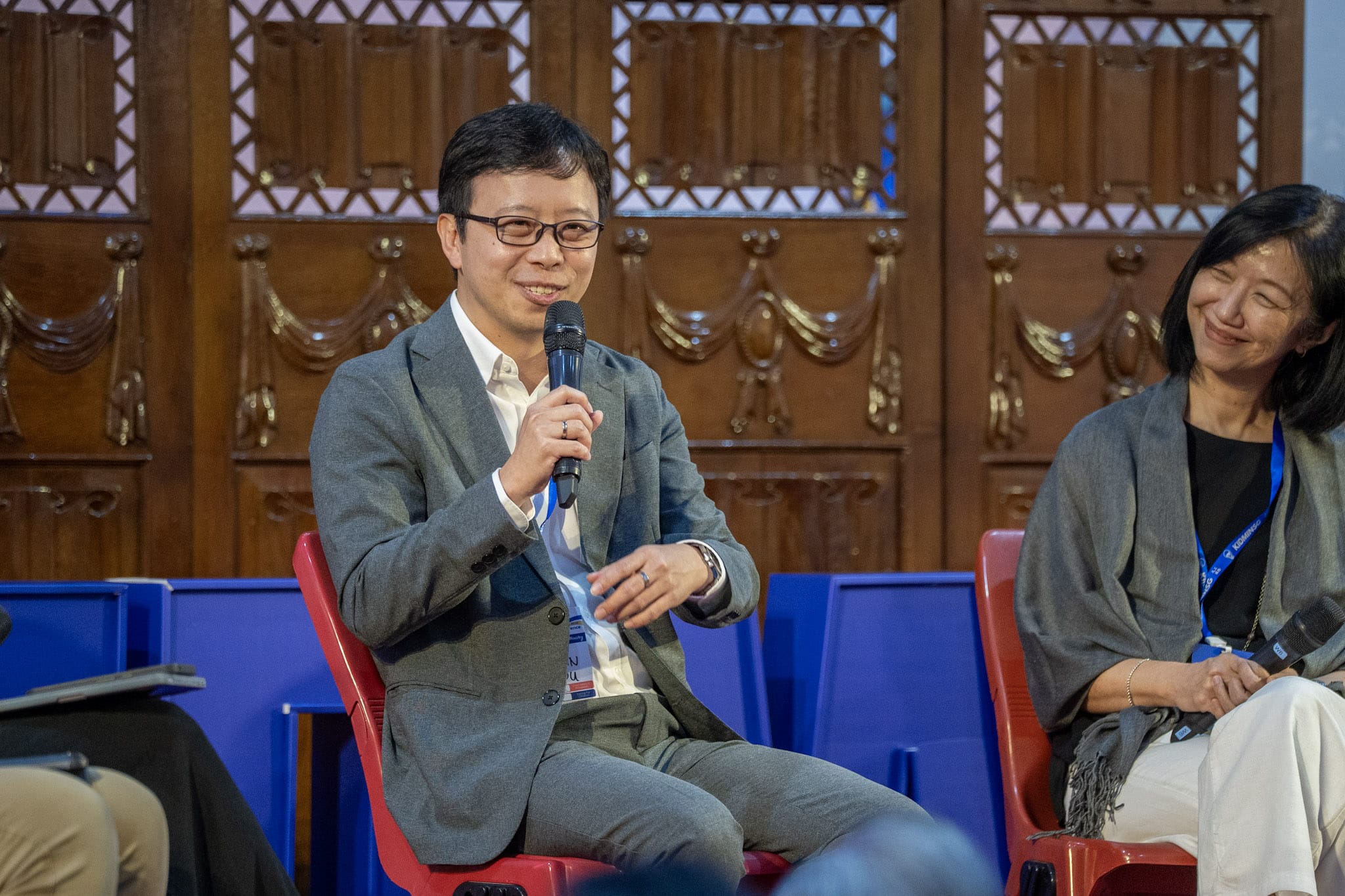
The joys of serving can come from the unexpected opportunities to sow into the children’s lives, observed Morgan.
Reiterating the importance of taking on God’s perspective, Morgan said: “Sometimes our class sizes are huge, humongous, and it’s very easy to just look at children as digits …
“But I see the heart of a teacher as someone who really sees children the way God sees children.”
Reflecting on the impact his late Primary 6 teacher had on his life, Morgan shared that he was inspired by how much she cared for all her students and how she would go out of her way to demonstrate that.
As a CM teacher, this is something that Morgan also hopes to do. However, he confessed that “it’s often the other things beyond the written curriculum that are difficult to do”.
While children, especially those who have grown up in church, can give you model answers during lesson time, it can be the informal conversations that are hard to navigate.
Pointing out that some of these topics do not have easy answers, Morgan said: “I feel very ill-equipped, and sometimes these things come out of the blue. They just suddenly surprise you and say they want to talk about something …
“I think we really need to love the children the way God loves them and to build that relationship. It’s not easy to do, but I want to encourage us to press on, to spend time getting to know them and they will share things with you.
“That will bring a lot of joy, and I think that will help us in our service.”
Are you keen to be further equipped in children’s ministry? Check out these upcoming events by Kidmin Singapore: Thursday Think Box (webinar): Special Needs Inclusion and Sustainable Support and Understanding Gen Alpha (Mandarin workshop) 儿工装备工作坊:掌握脉动: 认识 Gen Alpha.


RELATED STORIES:
Looking for adults who listen instead of judging: What a new report says about Gen Alpha and faith
Welcoming the little ones: The sacred call to safeguard children in our churches
This year, as we celebrate 10 years, consider sowing into our Kingdom ministry! For S$10 a month, you become part of the #10for10 community and a part of every story we tell.
Partner with us
Related Articles
“We almost lost him”: This dad pressed on in prayer when his micro-preemie was born at 26 weeks

“If I forget, do I still matter?”: New guidebook launched to help churches love and include those with dementia
“It takes a spider to repair its own web”: How this outsider is empowering insiders to love the poor
